
George Savillo’s comprehensive herbology guide, now widely available as a PDF, offers accessible botanical knowledge for independent, home study enthusiasts seeking natural wellness solutions.
What is George Savillo’s Herbology?
George Savillo’s Herbology, originally published for dedicated home learners, represents a detailed exploration of medicinal plants and their applications. This isn’t merely a catalog of herbs; it’s a structured curriculum designed for self-paced learning, emphasizing practical knowledge over purely academic theory. The book meticulously details plant identification, cultivation, and the preparation of herbal remedies.
The enduring appeal of Savillo’s work lies in its accessibility. It avoids complex scientific jargon, instead favoring clear, concise language suitable for beginners. The PDF format further enhances this accessibility, allowing students to easily search, print sections, and study at their convenience. It’s a foundational text for those interested in traditional herbalism, offering a pathway to understanding the healing power of nature within a domestic setting. Savillo’s approach champions self-reliance and a deep connection with the natural world.
The Significance of the PDF Format
The availability of George Savillo’s Herbology as a PDF dramatically expands its reach and usability. Previously limited by print runs and physical accessibility, the digital format allows instant access to this valuable resource worldwide. This is particularly significant for those pursuing home study, removing geographical barriers to learning traditional herbalism.
The PDF format also offers practical advantages for students. Features like searchable text enable quick location of specific herbs or remedies. Digital highlighting and note-taking tools facilitate focused study and personalized learning. Furthermore, the ability to print only needed sections reduces paper waste and cost. The PDF preserves the original text’s integrity while adding layers of convenience, making Savillo’s work more relevant and accessible to a modern audience eager to explore the world of herbal medicine.

Historical Context of the Book
George Savillo’s work emerged during a resurgence of interest in home herbalism, providing accessible knowledge for self-sufficiency and natural remedies for everyday wellness.
George Savillo’s Background and Expertise
George Savillo, a dedicated and meticulous researcher, possessed a profound understanding of botanical medicine cultivated through years of dedicated study and practical application. While detailed biographical information remains somewhat elusive, his published work, particularly his influential Herbology for Home Study, demonstrates a deep commitment to making herbal knowledge accessible to the general public.
Savillo’s expertise wasn’t rooted in formal academic credentials common today, but rather in a tradition of experiential learning and diligent observation of plant properties. He meticulously documented the medicinal uses of common herbs, focusing on practical applications for home remedies. His approach emphasized safe and effective self-treatment, empowering individuals to take control of their health using nature’s bounty. The PDF version of his book continues to disseminate his knowledge, showcasing his enduring legacy in the field of herbology.
He wasn’t simply a collector of folklore; Savillo’s work reflects a systematic attempt to categorize and understand the therapeutic actions of plants, making his guide a valuable resource for home study.
The Era of Home Herbalism
George Savillo’s Herbology for Home Study emerged during a period when self-sufficiency and home remedies were prevalent, particularly in the early to mid-20th century. Before the widespread availability of modern pharmaceuticals, families often relied on locally sourced herbs to treat common ailments. This era fostered a strong tradition of botanical knowledge passed down through generations.
The rise of industrial medicine gradually diminished this practice, but a renewed interest in natural health and holistic wellness began to emerge. Savillo’s work tapped into this growing sentiment, providing a practical guide for individuals seeking alternatives to conventional medicine. The accessibility of his PDF now further fuels this revival, allowing a new generation to explore herbology.
His book represents a bridge between traditional herbal practices and a modern desire for greater control over personal health, making home study of herbalism increasingly popular.
Core Concepts Covered in the Book
Savillo’s Herbology for Home Study, in PDF format, meticulously details plant identification, medicinal properties, and practical preparation techniques for effective home study.
Plant Identification Techniques
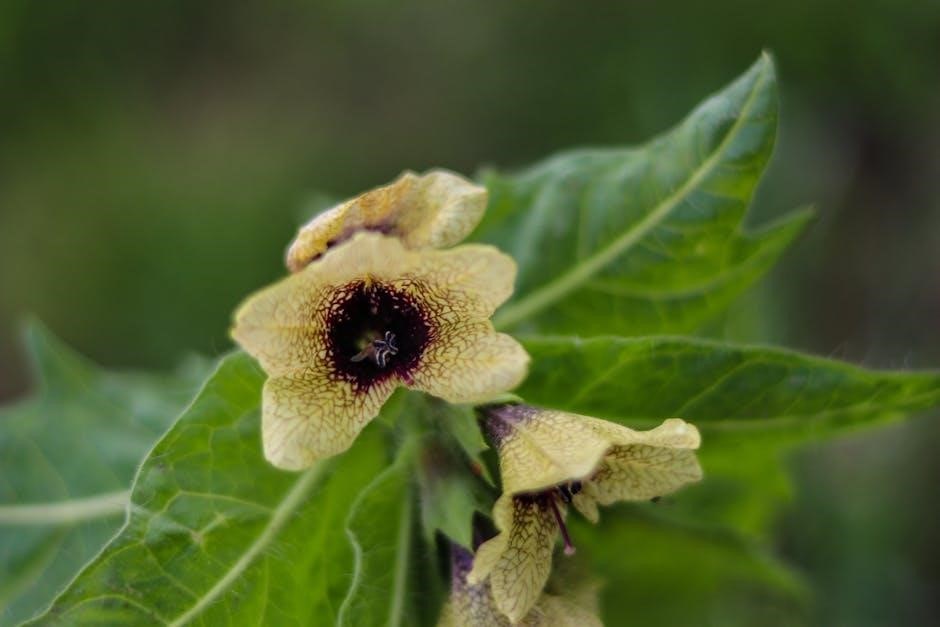
George Savillo’s Herbology for Home Study, accessible as a PDF, emphasizes precise plant identification as foundational to successful herbalism. The book details morphological characteristics – observing leaf shapes, flower structures, and stem types – crucial for distinguishing beneficial plants from potentially harmful look-alikes.
Savillo stresses utilizing multiple identification features, avoiding reliance on a single trait. He guides readers through understanding botanical terminology, enabling accurate use of field guides and keys. The PDF format allows for close examination of detailed illustrations alongside textual descriptions.
Furthermore, the text highlights the importance of habitat consideration; where a plant grows can offer valuable clues to its identity. Savillo encourages cautious verification, advocating for cross-referencing information and, when possible, consulting with experienced herbalists before utilizing any plant for medicinal purposes. This meticulous approach ensures safe and effective home study and practice.
Medicinal Properties of Common Herbs
George Savillo’s Herbology for Home Study, conveniently available as a PDF, dedicates significant space to detailing the medicinal properties of frequently encountered herbs. The text systematically explores each plant’s traditional uses, outlining its energetic qualities and corresponding therapeutic actions.
Savillo connects botanical descriptions with pharmacological effects, explaining how specific plant constituents interact with the human body. The PDF allows for easy referencing of detailed monographs on herbs like chamomile, lavender, and peppermint, covering their applications for digestive issues, anxiety, and inflammation.
He emphasizes understanding the holistic approach to herbalism, considering individual constitutions and symptoms. Savillo cautions against self-diagnosis and encourages responsible home study, stressing the importance of recognizing when professional medical attention is necessary. This knowledge empowers informed self-care.
Herbal Preparations: Teas, Tinctures, and Salves
George Savillo’s Herbology for Home Study, in its accessible PDF format, provides detailed instructions for creating various herbal preparations. The book meticulously outlines methods for crafting effective remedies, ranging from simple infusions to more complex extractions.
Savillo dedicates chapters to the art of making herbal teas, tinctures, and salves, emphasizing proper techniques for maximizing potency and shelf life. The PDF format allows readers to easily print specific recipes for quick reference during home study and practical application.
He explains the nuances of solvent selection for tinctures, the importance of maceration times, and the proper ratios for creating potent salves. Savillo stresses safety and hygiene throughout the preparation process, ensuring readers can confidently create their own natural remedies.
Using the PDF for Effective Study
George Savillo’s herbology PDF facilitates focused home study through digital navigation, searchable content, and convenient note-taking features for enhanced learning.
Navigating the PDF Document
George Savillo’s Herbology PDF is structured for intuitive exploration, allowing students to easily access a wealth of botanical information. Begin by familiarizing yourself with the table of contents, typically located at the beginning of the document, which provides a clear overview of the book’s organization.
Most PDF readers offer bookmarking capabilities; utilize this feature to save frequently referenced sections, such as specific plant profiles or preparation methods, for quick access during your home study. The PDF format also allows for zooming, enabling detailed examination of illustrations and diagrams.
Pay attention to any internal hyperlinks within the document, as these can connect related concepts or provide cross-references to other relevant sections. Efficient navigation is key to maximizing your learning experience with this valuable resource, ensuring a smooth and productive journey into the world of herbology.
Utilizing Search Functions for Specific Herbs
A significant advantage of studying George Savillo’s Herbology in PDF format is the powerful search functionality. When focusing on a particular herb during your home study, utilize the “Ctrl+F” (or “Cmd+F” on Mac) keyboard shortcut to instantly locate all instances of its name within the document.
This feature is invaluable for quickly finding detailed information on a plant’s medicinal properties, identification characteristics, or appropriate preparations. Experiment with different search terms – common names, botanical names, and even associated ailments – to ensure comprehensive results.
The search function bypasses the need for manual page-turning, saving valuable time and enhancing your learning efficiency. Mastering this skill will allow you to rapidly access the specific knowledge you need, making your herbology exploration more focused and rewarding.
Taking Notes and Highlighting Key Information
When engaging in home study with George Savillo’s Herbology PDF, active learning is crucial. Utilize the PDF reader’s annotation tools to highlight key passages concerning plant identification, medicinal uses, or preparation methods. This visual cueing system aids retention and simplifies review.
Furthermore, create a separate digital or physical notebook to record your observations, questions, and personal insights. Summarize complex concepts in your own words, and note any connections to other herbal resources.
Consider color-coding your highlights – for example, using one color for safety precautions and another for specific ailments an herb addresses. This personalized approach transforms the PDF from a passive text into a dynamic learning tool, maximizing the benefits of your herbology journey.

Practical Applications of Savillo’s Herbology
George Savillo’s Herbology PDF empowers readers to cultivate home herb gardens and formulate simple, safe remedies for everyday wellness, fostering self-sufficiency.
Creating a Home Herb Garden
George Savillo’s Herbology PDF provides a fantastic foundation for establishing a thriving home herb garden, regardless of space limitations. Begin by assessing your available sunlight; most herbs require at least six hours of direct sunlight daily. Consider starting small, perhaps with a container garden on a windowsill or balcony, before expanding to a dedicated garden bed.
Savillo’s teachings emphasize understanding each herb’s specific needs – soil type, watering frequency, and companion planting. For instance, basil thrives near tomatoes, while chamomile benefits from proximity to cabbage; The PDF details which herbs are annuals (requiring replanting each year) and perennials (returning year after year), aiding in garden planning.
Prioritize herbs frequently used in home remedies, as outlined in the book, such as chamomile for calming teas, lavender for soothing salves, and mint for digestive support. Remember to research each herb’s growth habits to ensure adequate spacing and prevent overcrowding, maximizing your garden’s yield and beauty.
Simple Remedies for Common Ailments
George Savillo’s Herbology PDF unlocks a wealth of knowledge for crafting simple remedies for everyday health concerns. The book details how to utilize herbs for minor ailments, emphasizing gentle, natural approaches. For instance, a chamomile tea, as described in the PDF, can soothe digestive upset and promote relaxation. Lavender infusions offer relief from headaches and anxiety.
Savillo’s guide provides recipes for basic herbal preparations like infused oils for muscle aches and simple salves for skin irritations. The PDF stresses the importance of proper dosage and preparation techniques to ensure efficacy and safety. Remember to always start with small amounts and observe your body’s response.
This home study resource empowers you to take control of your well-being, offering alternatives to conventional medicine for common issues, always prioritizing caution and mindful application of herbal wisdom.
Safety Precautions and Contraindications
George Savillo’s Herbology PDF strongly emphasizes the critical importance of safety when utilizing herbal remedies. The text details potential contraindications, highlighting herbs to avoid during pregnancy, breastfeeding, or with specific medical conditions. It’s crucial to understand that “natural” doesn’t automatically equate to “safe” for everyone.
The PDF advises against self-treating serious illnesses and stresses the need to consult a healthcare professional before combining herbs with conventional medications. Allergic reactions are also addressed, urging users to perform patch tests before widespread application of topical preparations.
Responsible home study of herbology, as presented by Savillo, requires diligent research and a cautious approach. Always verify plant identification, adhere to recommended dosages, and be aware of potential interactions – prioritizing your health and well-being above all else.

Resources to Supplement Your Study
George Savillo’s Herbology PDF benefits from online databases, local herb societies, and further reading materials to deepen your home study and botanical knowledge.
Online Databases of Herbal Information
Complementing George Savillo’s Herbology PDF, numerous online databases provide expanded herbal knowledge for dedicated home study. Websites like the Missouri Botanical Garden’s Plant Finder (https://www.missouribotanicalgarden.org/plantfinder/plantfindersearch.aspx) offer detailed plant profiles, including medicinal uses and growing conditions.
Additionally, the National Center for Complementary and Integrative Health (https://www.nccih.nih.gov/) provides research-based information on herbal remedies, though it’s crucial to approach such data with a critical eye.
The USDA Plants Database (https://plants;usda.gov/) is invaluable for identifying plants native to specific regions, aiding in responsible foraging and garden planning. Remember to cross-reference information from multiple sources when using these resources alongside Savillo’s work, ensuring accuracy and safety in your herbology explorations.
Local Herb Societies and Workshops
Enhance your home study of George Savillo’s Herbology PDF by connecting with local herbal communities. Herb societies offer invaluable opportunities to learn from experienced practitioners and fellow enthusiasts. These groups frequently host workshops covering topics like wildcrafting, herbal medicine making, and plant identification – skills that beautifully complement Savillo’s teachings.
Searching online for “herb society near me” or “herbalism workshop [your location]” will reveal local options. Attending workshops provides hands-on experience and allows for direct interaction with experts.
Furthermore, many botanical gardens and nature centers offer classes related to herbology. Networking within these communities fosters a deeper understanding and appreciation for the art and science of herbalism, enriching your journey beyond the PDF’s pages.
Further Reading on Herbology
While George Savillo’s Herbology PDF provides a solid foundation, expanding your knowledge through additional resources is highly beneficial for dedicated home study. Consider exploring modern texts that build upon traditional knowledge, offering updated research on plant constituents and therapeutic applications.
Recommended authors include Rosemary Gladstar, known for her accessible approach, and Matthew Wood, whose work delves into constitutional herbalism. Investigate books focusing on specific herbal traditions, such as Ayurveda or Traditional Chinese Medicine, to broaden your perspective.
Online databases, like the National Center for Complementary and Integrative Health (NCCIH), offer scientifically-backed information. Remember to critically evaluate sources and cross-reference information to ensure accuracy, complementing your understanding gained from Savillo’s classic text.
The Enduring Legacy of George Savillo’s Work
Savillo’s accessible herbology, especially in PDF format, continues inspiring self-sufficiency in home study, democratizing botanical knowledge for generations of herbalists.
Impact on Modern Herbalism
George Savillo’s work, particularly through the readily available PDF version of his Herbology for Home Study, has profoundly impacted the resurgence of interest in traditional herbal remedies. Before widespread digital access, his book provided a crucial resource for individuals seeking to understand and utilize plants for health and wellbeing independently.
The book’s emphasis on practical application – identifying plants, preparing remedies, and understanding their properties – fostered a generation of home herbalists. This, in turn, contributed to the growth of modern herbalism, moving beyond purely academic study to embrace hands-on experience. The PDF format has amplified this impact, making Savillo’s knowledge accessible to a global audience, bypassing geographical limitations and cost barriers.
Savillo’s approach, focused on empowering individuals through self-education, resonates strongly with contemporary movements promoting natural health and sustainable living. His legacy continues to inspire those seeking a deeper connection with the natural world and a more holistic approach to healthcare.
Accessibility and Continued Relevance
The conversion of George Savillo’s Herbology for Home Study into a PDF format has dramatically increased its accessibility. Previously limited by print availability and cost, the digital version allows anyone with internet access to benefit from Savillo’s extensive knowledge of herbalism. This democratization of information is particularly significant in an era where interest in natural remedies is growing.
Despite being written in a different time, the core principles outlined in the book remain remarkably relevant. The fundamentals of plant identification, medicinal properties, and preparation techniques are timeless. While modern research continues to expand our understanding of herbal medicine, Savillo’s work provides a solid foundation for further exploration.
The PDF’s searchability and portability further enhance its usability, making it a convenient resource for both beginners and experienced herbalists. It ensures Savillo’s valuable insights will continue to inform and inspire for generations to come.