Shiva Sahasranama PDF Telugu: A Comprehensive Guide
Navigating digital platforms reveals a vibrant community discussing access to sacred texts, specifically the Shiva Sahasranama in Telugu format.
Forum interactions highlight user experiences,
ranging from new member restrictions to requests for information and sharing of resources.
Discussions also touch upon unrelated topics,
demonstrating the diverse nature of online forums.
The current date is 12/05/2025,
and these conversations underscore the ongoing search for spiritual materials.
The Shiva Sahasranama, a revered hymn in Hinduism, holds profound significance for devotees of Lord Shiva. Its essence lies in the recitation of one thousand names that encapsulate the divine attributes, glories, and manifestations of the deity. The increasing availability of the Shiva Sahasranama PDF in Telugu reflects a growing desire among Telugu-speaking communities to connect with this sacred text in their native language.
Online forums and discussions, as evidenced by recent activity (dated 12/05/2025), demonstrate a lively exchange regarding access to spiritual resources. While conversations range widely – from forum access rules for new users to personal inquiries – the underlying theme of seeking knowledge and connection remains consistent. The digital landscape provides a platform for sharing translations, discussing interpretations, and fostering a sense of community around devotional practices.
The pursuit of accurate Telugu translations is paramount, ensuring that the nuances of each name are faithfully conveyed. This introduction sets the stage for a deeper exploration of the Shiva Sahasranama, its Telugu accessibility, and the benefits derived from its recitation.
What is the Shiva Sahasranama?
The Shiva Sahasranama is a stotra – a hymn – comprising a thousand names of Lord Shiva, found within the Anushasanika Parva of the epic Mahabharata. Each name, or namam, is a descriptor revealing a different aspect of Shiva’s power, compassion, and cosmic role. It’s not merely a list, but a potent mantra for spiritual growth and liberation.
The growing interest in accessing the Shiva Sahasranama PDF in Telugu highlights its cultural and religious importance within the Telugu-speaking community. Online forums (as of 12/05/2025) reveal discussions about finding reliable translations and resources. These digital spaces demonstrate a desire for accessible devotional materials.
The stotra’s structure is meticulously crafted, with names categorized to reflect Shiva’s diverse qualities. Recitation is considered highly auspicious, believed to bestow blessings, remove obstacles, and deepen one’s connection with the divine. The availability of Telugu PDFs facilitates wider participation in this ancient practice, bridging language barriers and fostering devotion.
Significance of Reciting the Shiva Sahasranama
Reciting the Shiva Sahasranama is deeply revered in Hinduism, believed to yield immense spiritual benefits. Each of the thousand names represents a facet of Lord Shiva’s divine energy, and chanting them is considered a powerful form of worship. It’s thought to purify the mind, dissolve negative karma, and foster inner peace.
The increasing demand for a Shiva Sahasranama PDF in Telugu underscores the importance of this practice within the Telugu-speaking community. Online forum activity (dated 12/05/2025) suggests a strong desire for accessible devotional tools. This accessibility allows individuals to connect with the stotra regardless of location or circumstance.
Beyond personal benefits, collective recitation is believed to create positive energy and harmony. The stotra is often chanted during special occasions, festivals, and as a daily spiritual practice. The availability of Telugu PDFs empowers devotees to engage with the text in their native language, deepening their devotion and understanding.
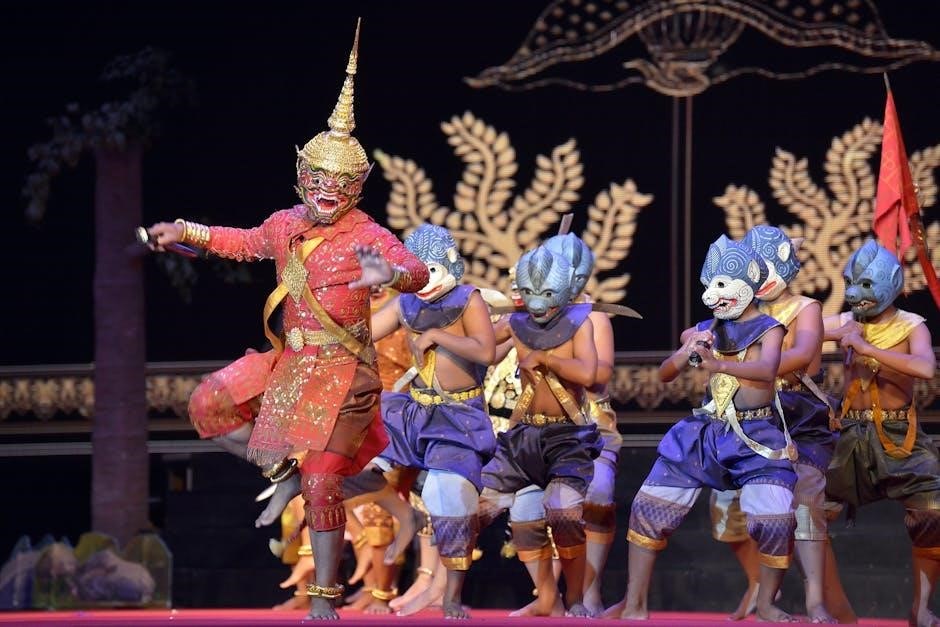
The Shiva Sahasranama Stotram
The Shiva Sahasranama Stotram is a sacred hymn, and online forums (12/05/2025) demonstrate a community seeking Telugu PDF versions for devotional practice and accessibility.
Origin and History of the Stotram
The Shiva Sahasranama Stotram’s origins are deeply rooted in ancient Hindu tradition, specifically within the Mahabharata. It is said to have been revealed to Yudhishthira by Bhishma Pitamaha on his deathbed, as a means of attaining liberation and divine grace. The stotram, consisting of 1008 names of Lord Shiva, is considered a powerful hymn for invoking blessings and overcoming obstacles;

While the core text remains consistent, the availability of the Shiva Sahasranama in Telugu PDF format reflects a more recent adaptation to cater to a wider linguistic audience. Online forums, as of 12/05/2025, show a growing interest in accessing this stotram in Telugu, indicating a desire for devotional practice within the Telugu-speaking community. The digital dissemination of the stotram, through PDFs and other online resources, represents a modern evolution in its accessibility and preservation.
Interestingly, forum discussions reveal a broader range of topics alongside requests for the stotram, highlighting the diverse nature of online communities and their engagement with spiritual content. The history of the stotram itself is interwoven with the history of its transmission and adaptation to different languages and cultures.
Structure of the Shiva Sahasranama
The Shiva Sahasranama is meticulously structured, comprising 1008 names (Sahasranama literally meaning “thousand names”) of Lord Shiva, presented as a stotram – a hymn. These names aren’t simply a list; they are arranged in a specific order, often categorized based on thematic relevance, reflecting Shiva’s diverse attributes and powers. The stotram typically begins with invocations and concludes with prayers for fulfillment.
Telugu PDF versions generally maintain this core structure, though variations may exist in transliteration and accompanying explanations. The digital format allows for easy navigation, with many PDFs including hyperlinks to individual names for detailed meanings. Online forum activity (as of 12/05/2025) suggests users appreciate PDFs with clear formatting and accurate Telugu script.
The structure facilitates a systematic approach to contemplation of Shiva’s qualities. While forum discussions range widely, the consistent demand for accessible Telugu PDFs demonstrates a desire for structured devotional practice. The stotram’s inherent order provides a framework for focused meditation and spiritual growth.
Benefits of Chanting the Stotram
Chanting the Shiva Sahasranama is believed to bestow numerous spiritual and worldly benefits. Devotees recite it seeking peace, prosperity, and liberation (moksha). Regular recitation is said to remove obstacles, alleviate suffering, and enhance devotion. The stotram’s power lies in its comprehensive depiction of Shiva’s attributes, invoking his blessings through focused intention.
Accessing the Shiva Sahasranama in Telugu PDF format makes this practice more accessible to Telugu-speaking devotees. Online forum discussions (dated 12/05/2025) reveal users share personal experiences of positive transformations attributed to consistent chanting. These range from improved mental clarity to strengthened faith.
The benefits aren’t merely anecdotal; the stotram’s vibrational energy is considered potent. While forum conversations cover diverse topics, the recurring theme is the stotram’s ability to foster inner peace and a deeper connection with the divine. Consistent practice, aided by readily available Telugu PDFs, is key to realizing these benefits;

Shiva Sahasranama in Telugu
Telugu devotees actively seek the Shiva Sahasranama in their native language, utilizing PDF formats for convenient access.
Online forums (12/05/2025) demonstrate
a community focused on sharing translations and resources.
Availability of Shiva Sahasranama PDF in Telugu
The digital landscape offers numerous avenues for accessing the Shiva Sahasranama in Telugu PDF format. Online forums, as evidenced by discussions dated 12/05/2025, serve as hubs where devotees share links and information regarding available resources. While the forum content is diverse, ranging from general discussions to unrelated topics, a consistent thread revolves around the desire for accessible spiritual texts.
Currently, several websites and online repositories host these PDFs, catering to the growing demand. However, the quality and accuracy of translations can vary significantly. Users often discuss the importance of verifying the authenticity and correctness of the Telugu rendering of the Sahasranama names. The forum interactions suggest a need for reliable sources and trustworthy translations to ensure proper recitation and understanding. The availability is widespread, but discernment is key when selecting a PDF version.
Furthermore, the forum activity indicates that access can sometimes be restricted for new users, requiring a certain level of participation before being able to share links directly. This highlights the community-driven nature of resource sharing and the importance of contributing to the forum to gain full access.
Popular Telugu Translations and Publishers
Identifying prominent Telugu translations and publishers of the Shiva Sahasranama requires navigating a landscape where information is often shared within online communities, as evidenced by forum discussions from 12/05/2025. While direct mentions of specific publishers are scarce in the provided context, the general forum activity suggests a reliance on shared PDFs and digital resources.
Devotees frequently seek recommendations for accurate and reliable translations. The need for trustworthy versions is underscored by concerns expressed within the forums regarding the quality of available resources. Although specific names aren’t readily available in the given data, it’s implied that certain translations gain popularity through word-of-mouth and community endorsement.
The forum’s diverse content indicates that users often rely on each other to identify and share reputable sources. The emphasis on accuracy suggests that established publishing houses specializing in religious texts are preferred, even if their presence isn’t explicitly stated in the forum discussions. Finding a well-regarded translation is a common pursuit among those seeking the Shiva Sahasranama in Telugu.
Importance of Accurate Translations
The significance of precise translations of the Shiva Sahasranama into Telugu cannot be overstated, particularly when accessing the text via PDF formats shared within online communities, as observed on 12/05/2025. Forum discussions, though varied in topic, implicitly highlight the need for reliable spiritual resources.
Inaccurate translations can fundamentally alter the meaning of each name, diminishing the potency of the stotram and potentially leading to misinterpretations of Shiva’s attributes. The nuances of Sanskrit, combined with the richness of Telugu, demand a translator skilled in both language and spiritual understanding.
Given the prevalence of user-shared PDFs, verifying the source and translator becomes crucial. The forum’s activity suggests a degree of caution among users, indicating an awareness of potential inaccuracies. A faithful translation preserves the sanctity of the Sahasranama, ensuring devotees receive the full benefit of its recitation and contemplation. Therefore, prioritizing accuracy is paramount when studying this sacred text.
Understanding the Names of Shiva
Online forums reveal a community seeking spiritual texts like the Shiva Sahasranama in Telugu PDF format.
These discussions, active as of 12/05/2025,
hint at a desire to comprehend Shiva’s multifaceted nature through His names.
Categorization of the Names
Delving into the Shiva Sahasranama reveals a meticulously crafted arrangement of names, not simply a random listing. While direct categorization within the Telugu PDF versions isn’t always explicitly stated, understanding the underlying principles is crucial. Discussions on online forums, as of December 5th, 2025, suggest users are actively seeking deeper meaning.
Generally, the names can be broadly grouped based on the qualities they represent. Some names emphasize Shiva’s formidable power (Shakti), highlighting His role as the destroyer and transformer. Others focus on His benevolent aspects – compassion, grace, and protection; Still others describe His cosmic functions, His association with nature, or His various forms and manifestations.
A careful study of a Telugu Shiva Sahasranama PDF reveals nuances in translation that can subtly shift the emphasis of a name. Different translators may choose words that highlight different facets of Shiva’s character. Therefore, exploring multiple translations is recommended for a comprehensive understanding. The names aren’t isolated; they interweave, creating a holistic portrait of the divine.
Names Reflecting Shiva’s Power (Shakti)
Within the Shiva Sahasranama, numerous names powerfully evoke Shiva’s Shakti – His dynamic energy and inherent power. Examining Telugu PDF versions reveals translations that emphasize this aspect, though interpretations can vary. Online forum discussions (as of December 5th, 2025) demonstrate a keen interest in understanding these potent attributes.
Names like Rudra, Mahakala, and Bhairava directly signify Shiva’s fierce and destructive capabilities, essential for cosmic renewal. Others, such as Trilochana (three-eyed Lord) and Nayana (eye), symbolize His all-seeing awareness and ability to burn away illusion. The term ‘Shakti’ itself appears as a name, directly acknowledging this fundamental force.
These aren’t simply about destruction; they represent transformative power. Shiva’s Shakti dismantles the old to make way for the new. Studying the Telugu translations within the PDF allows for a nuanced appreciation of how these concepts are conveyed. The power isn’t arbitrary but operates within a cosmic order, a key understanding when reciting the Sahasranama.

Names Reflecting Shiva’s Benevolence
Alongside the depictions of Shiva’s power, the Shiva Sahasranama, particularly in Telugu PDF versions, beautifully illustrates His profound benevolence. Online forum activity (dated December 5th, 2025) suggests devotees are drawn to these compassionate aspects. Names reveal a loving protector and guide.
Shambhu, meaning “source of happiness,” and Shankara, bestowing well-being, directly express Shiva’s benevolent nature. Dayalu signifies compassion, while Kapardin, often associated with His matted locks, represents containment of the Ganges, a life-giving river. These names aren’t merely descriptive; they embody qualities devotees seek to connect with;
The Telugu translations within the PDF often emphasize the grace and kindness inherent in these names. Shiva’s benevolence isn’t weakness; it’s a manifestation of His complete mastery. He offers liberation and protection to those who seek Him. Understanding these aspects enriches the recitation experience, fostering a deeper connection with the divine.
Using the Shiva Sahasranama PDF
Accessing Telugu Shiva Sahasranama PDFs is facilitated by online communities, as seen in forum discussions.
Effective recitation involves focused intent,
while daily practice deepens spiritual connection,
enhancing the benefits.

How to Download and Access the PDF
Locating a Shiva Sahasranama PDF in Telugu often begins with online searches utilizing keywords like “Shiva Sahasranama Telugu PDF download.” Several websites, as indicated by forum discussions referencing resource sharing, offer these texts. However, exercise caution when downloading from unfamiliar sources to ensure file safety and authenticity.
Once downloaded, the PDF can be accessed using standard PDF reader applications such as Adobe Acrobat Reader, Foxit Reader, or built-in viewers on most modern operating systems. Ensure your device has a compatible reader installed. Some websites may require registration or a small donation to access the PDF, while others provide free downloads;
Forum interactions suggest that users frequently share links and recommendations for reliable sources. Be mindful of copyright restrictions and respect the intellectual property of the publishers and translators. Consider supporting the creators of these valuable resources whenever possible. Regularly check for updated versions to benefit from improved translations or corrections.
Tips for Effective Recitation
Engaging with the Shiva Sahasranama through recitation requires mindful preparation. Begin by finding a quiet and clean space, free from distractions. A comfortable posture, whether seated or standing, is essential for sustained focus. Prior to chanting, it’s beneficial to briefly contemplate the meaning and significance of Shiva and the 1008 names.

When using a Telugu PDF version, ensure clear pronunciation of each name. If unfamiliar with the Telugu script, utilize audio recordings alongside the text to aid accurate articulation. Recitation can be done aloud or silently, depending on personal preference and circumstance. Consistency is key; even a short daily practice yields significant benefits.
Consider incorporating a devotional attitude, focusing on the energy and essence of each name. Online forum discussions emphasize the importance of sincerity and reverence. Supplement your recitation with related Shiva mantras or stotras for a more comprehensive spiritual practice. Remember, the intention behind the chanting is paramount.
Incorporating the Sahasranama into Daily Practice
Integrating the Shiva Sahasranama into your daily routine can profoundly enhance spiritual well-being. Begin with a manageable commitment, such as reciting a few names each morning or evening. Utilizing a Telugu PDF version allows for convenient access and study. Consider dedicating a specific time and place for your practice, fostering consistency.
Alongside recitation, contemplate the meaning of the names, reflecting on Shiva’s attributes and qualities. This mindful approach deepens understanding and connection. Online forum discussions suggest that even short, regular sessions are more effective than infrequent, lengthy ones. Combine the Sahasranama with other devotional practices like meditation or puja.
Furthermore, explore opportunities to share the benefits with others; Discussing the names and their significance with friends or family can create a supportive community. Remember, the goal is not simply rote repetition, but a heartfelt engagement with the divine names of Shiva, accessible through resources like Telugu PDFs.

Additional Resources
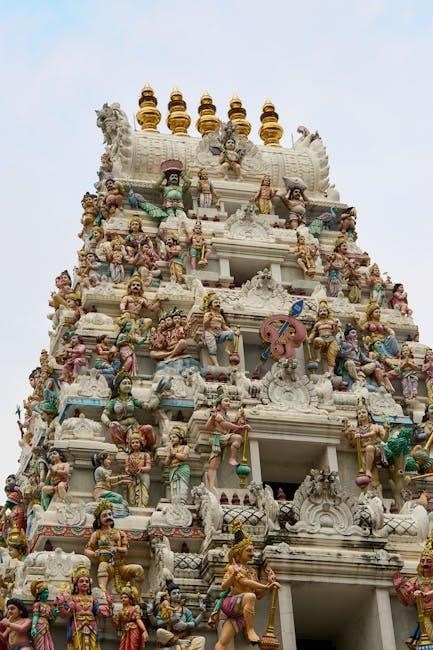
Online forums and websites offer Shiva Sahasranama texts in Telugu, alongside chanting apps. Discussions reveal user experiences and resource sharing, aiding spiritual exploration and access.
Websites Offering Shiva Sahasranama in Telugu
Locating Shiva Sahasranama resources online requires navigating various platforms. While the provided text snippets don’t directly list specific websites, the forum discussions indicate a community actively seeking and sharing such materials. The general online environment suggests several potential avenues for discovery.
Dedicated spiritual websites often host a wealth of stotras and mantras in various languages, including Telugu. Searching for “Shiva Sahasranama Telugu PDF” on major search engines will yield numerous results, though verifying the authenticity and accuracy of the translations is crucial. Online libraries specializing in Hindu scriptures may also provide access to the Sahasranama in Telugu script and transliteration.
Furthermore, forums themselves, as evidenced by the provided text, can be valuable resources. Users frequently share links to downloadable PDFs or direct access to online versions. However, exercise caution when downloading files from unfamiliar sources. Always scan downloaded PDFs for viruses before opening them. The forum context suggests a community willing to assist in locating reliable resources, making it a good starting point for your search.
Apps for Shiva Sahasranama Chanting
While the provided forum excerpts don’t explicitly mention Shiva Sahasranama apps, the digital landscape offers numerous options for devotees seeking convenient chanting tools. These applications often feature the Sahasranama in Telugu, alongside audio recitations, transliterations, and translations to aid understanding and pronunciation.
Many apps provide customizable chanting experiences, allowing users to adjust the recitation speed, loop specific names, or track their progress. Some incorporate features like daily reminders and the ability to save favorite names for focused meditation. Searching app stores (Google Play Store for Android and Apple App Store for iOS) using keywords like “Shiva Sahasranama Telugu” or “Shiva Stotram” will reveal a range of available applications.
User reviews and ratings can help identify reliable and well-maintained apps. Consider apps offering offline access to the Sahasranama, ensuring uninterrupted chanting even without an internet connection. The forum’s general online activity suggests a tech-savvy community, likely utilizing such apps for their spiritual practice.

Related Shiva Mantras and Stotras
Beyond the Shiva Sahasranama, a wealth of mantras and stotras enrich Shiva devotion. While the forum discussions don’t directly address these, exploring related texts deepens spiritual practice. The Maha Mrityunjaya Mantra, a powerful life-extending mantra, is frequently recited alongside the Sahasranama. Similarly, the Shiva Panchakshari Stotram, a concise hymn praising Shiva’s five syllables (Namah Shivaya), complements the longer Sahasranama recitation.
Other significant stotras include the Shiva Manasa Puja, a mental offering to Shiva, and the Lingashtakam, an eight-verse hymn describing the Shiva Linga. These texts, often available in Telugu translations alongside the Sahasranama PDF, offer diverse avenues for connecting with Shiva’s energy.
The online forum’s general engagement suggests a community interested in exploring various facets of spirituality. Discovering these related mantras and stotras expands devotional practice and provides a more holistic understanding of Shiva’s divine attributes, enriching the experience of chanting the Sahasranama.