Yashica Mat 124 Manual: A Comprehensive Guide
This guide offers detailed insights into the Yashica Mat 124‚ covering operation‚ repair‚ and lens compatibility. Service manuals and exploded diagrams are readily available online.
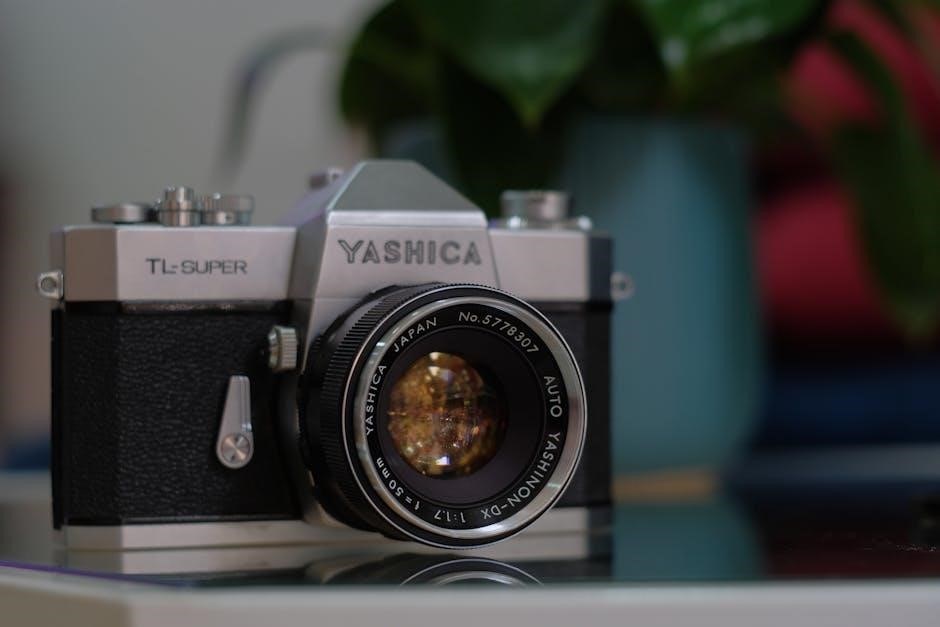
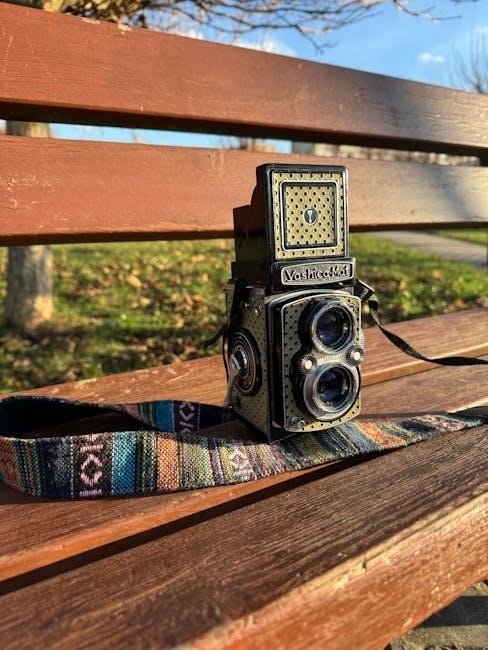
The Yashica Mat 124‚ a classic twin-lens reflex (TLR) camera‚ remains popular among film photographers due to its affordability and image quality. This manual aims to provide a comprehensive resource for both beginners and experienced users. Understanding its features‚ from the Yashinon lenses to the built-in light meter‚ is key. Online resources‚ including service manuals‚ offer detailed repair information and exploded views‚ aiding in maintenance and troubleshooting. Explore its capabilities!
Understanding the Camera’s Core Features
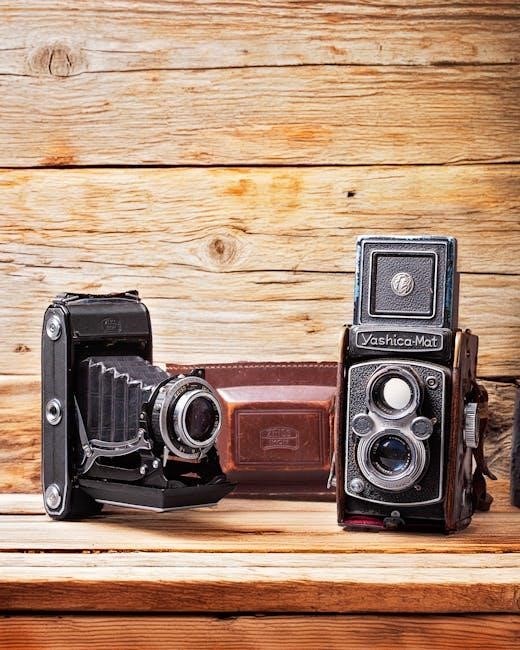
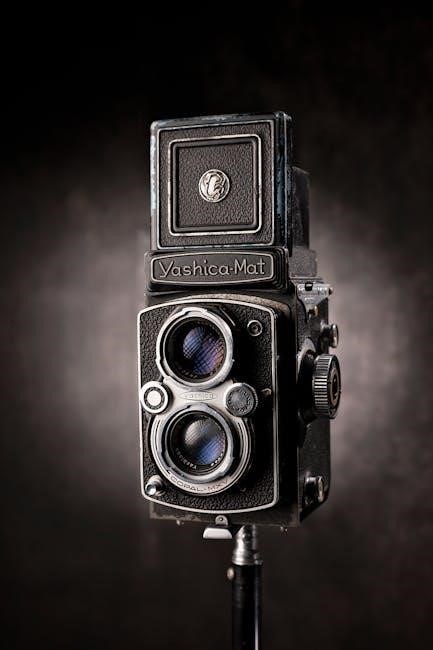
The Yashica Mat 124 boasts a robust build and intuitive controls. Its core lies in the twin-lens viewing system‚ offering a unique shooting experience. Key features include adjustable shutter speeds and aperture control‚ impacting exposure. Compatible Yashinon lenses enhance versatility. Accessing the service manual reveals intricate details about its mechanics‚ aiding in understanding and potential repair. Mastering these elements unlocks the camera’s full potential for stunning images.
Technical Specifications of the Yashica Mat 124
Specifications detail film format‚ lens types (like Yashinon 35mm F2.8 DX)‚ shutter speeds‚ and aperture controls – crucial for optimal manual operation.
Film Format and Lens Details
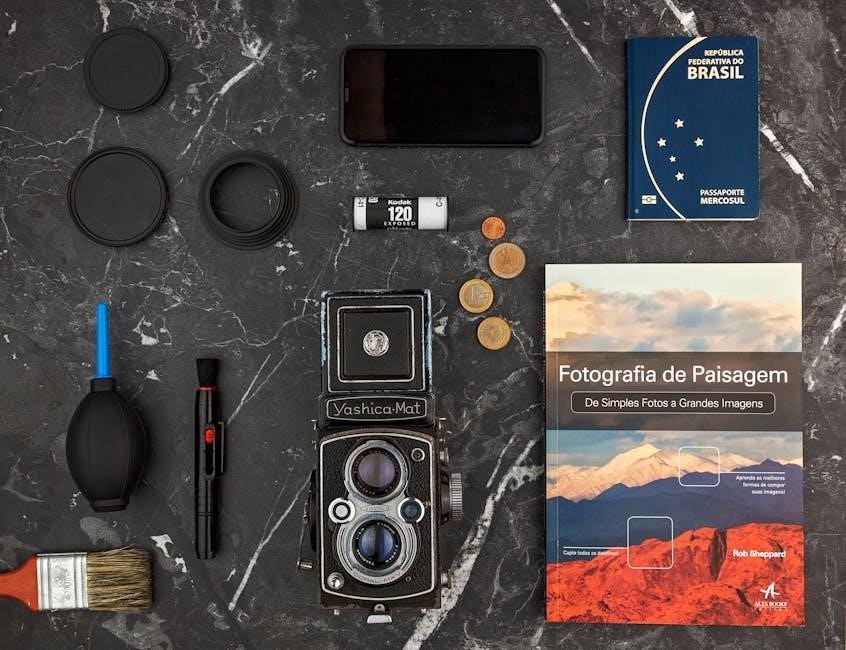
The Yashica Mat 124 utilizes standard 120 film‚ producing 6x6cm negatives‚ ideal for classic medium format photography. Compatible lenses include the Yashinon 35mm F2.8 DX‚ a wide-angle option with a 52mm filter ring‚ and various 50mm lenses like the DS-M F1.7 and Auto DS F1.9. These prime lenses offer excellent sharpness and character. Understanding lens specifications‚ including filter sizes and aperture capabilities‚ is vital for achieving desired photographic results with this versatile camera system.
Shutter Speed and Aperture Control
The Yashica Mat 124 features a leaf shutter with speeds ranging from 1 second to 1/500th of a second‚ plus Bulb mode for long exposures. Aperture control is linked to the taking lens‚ adjusted via the viewing lens. Some Yashinon lenses offer an auto/manual switch. Precise control over both shutter speed and aperture is crucial for proper exposure‚ allowing photographers to balance light and depth of field for creative effects.

Loading and Unloading Film
Film loading and unloading require careful attention to ensure proper operation and prevent damage. Follow step-by-step procedures for optimal results.
Step-by-Step Film Loading Process
Begin by opening the camera back and inserting the film spool onto the left side. Thread the film across the take-up spool‚ ensuring it engages correctly. Advance the film using the winding knob‚ observing the film counter to confirm proper progression. Carefully close the camera back‚ and continue winding and releasing the shutter a few times to advance beyond the exposed frame area. Double-check that the film is securely attached to both spools before commencing shooting‚ preventing potential issues during operation.
Proper Film Unloading Techniques
To unload film‚ first‚ fully rewind it back onto the original spool using the rewind crank. Continue until you feel a release in tension‚ indicating the film is completely detached from the take-up spool. Carefully open the camera back and lift out the film spool. Avoid exposing the unexposed portion of the film to light. Properly dispose of or develop the film promptly to preserve your images‚ ensuring optimal results and preventing potential degradation.
Focusing and Viewing System
The Yashica Mat 124 utilizes a twin-lens viewing system for precise focusing; Accurate focus is achieved by adjusting the focusing knob while observing the image.
Utilizing the Twin Lens Viewing System
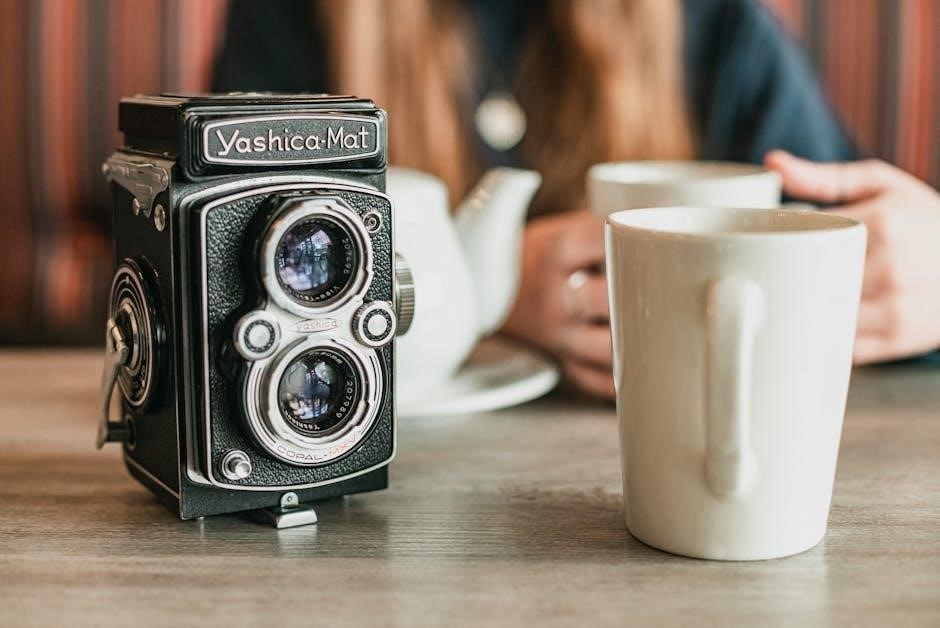
The Yashica Mat 124’s twin-lens system employs separate lenses for viewing and taking the photograph. The upper lens is for viewing through the viewfinder‚ while the lower lens captures the image on film. This setup provides a parallax error‚ especially at closer distances‚ requiring compensation during framing.
Bright‚ clear viewing is crucial for accurate focusing. Remember that what you see in the viewfinder isn’t exactly what the taking lens records‚ hence the need for understanding and adjusting for parallax. Practice observing the viewfinder image and correlating it with the final results to master this system.
Achieving Accurate Focus
Precise focusing on the Yashica Mat 124 relies on the twin-lens viewing system. Rotate the focusing knob on the taking lens until the subject appears sharpest in the viewfinder. Due to parallax‚ especially at closer distances‚ focus adjustments are essential.
Carefully observe the image in the viewfinder‚ making small adjustments to the focus knob. Zone focusing‚ pre-setting a focus distance‚ is also effective for street photography. Consistent practice will refine your ability to achieve consistently sharp images with this classic camera.
Exposure Metering and Settings
The Yashica Mat 124 features a built-in light meter; adjust aperture and shutter speed accordingly for optimal exposure‚ referencing sunny 16 rule if needed.
Understanding the Built-in Light Meter
The Yashica Mat 124 incorporates a selenium light meter‚ conveniently positioned on the camera’s front panel. This meter measures light levels and indicates correct exposure settings via a needle display in the viewfinder. It’s crucial to remember this meter responds to overall light‚ not specific scene details.
Ensure the meter isn’t obstructed during readings. Battery-free operation is a key feature‚ but meter accuracy can diminish over time. When using‚ align the needle with the designated mark for proper exposure‚ adjusting shutter speed and aperture accordingly. Consider supplemental metering for challenging lighting conditions.
Adjusting Exposure for Optimal Results
Achieving optimal exposure with the Yashica Mat 124 requires understanding the interplay between shutter speed and aperture. The built-in meter provides a starting point‚ but creative control demands adjustments. Brighter scenes benefit from faster shutter speeds or smaller apertures‚ while darker scenes need slower speeds or wider apertures.
Remember the Sunny 16 rule as a backup. Experimentation is key! Consider the film’s ISO; higher ISOs require less light. Regularly check your results and refine your technique for consistently well-exposed images. Prioritize accurate metering for best results.
Yashica Yashinon Lenses Compatibility
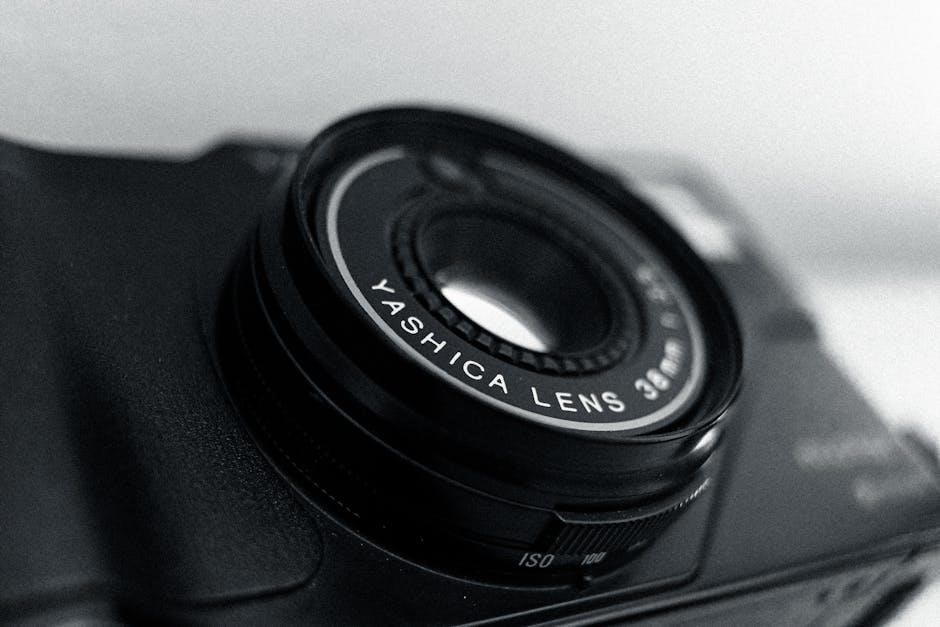
Yashica offered various Yashinon lenses‚ including 35mm F2.8 DX‚ 50mm F1.7 DS-M‚ 50mm F1.9 Auto DS‚ and 50mm F1.4 DS-M models.
Yashinon 35mm F2.8 DX Lens Specifications
The Yashinon 35mm F2.8 DX is a standard wide-angle lens designed for Yashica cameras. It features a 52mm filter ring‚ enabling the use of various filters for creative effects. This Yashica prime lens incorporates an auto/manual switch‚ providing photographers with control over focusing and aperture settings. It’s a versatile option for landscape and street photography‚ offering a wider field of view compared to standard lenses. Its compact size and relatively lightweight design make it ideal for travel and everyday use‚ enhancing the Yashica Mat 124’s capabilities.
Yashinon DS-M 50mm F1.7 Lens Specifications
The Yashinon DS-M 50mm F1.7 is a vintage standard prime lens‚ introduced in the mid-1970s‚ compatible with the M42 screw mount. This lens delivers pleasing bokeh and sharpness‚ making it suitable for portraiture and general photography. The “DS-M” designation indicates a multi-coated version‚ enhancing contrast and reducing flare. It’s a popular choice among Yashica users seeking a classic look and feel‚ offering a balance between performance and affordability for the Yashica Mat 124.
Yashinon Auto DS 50mm 1:1.9 Lens Specifications
The Yashinon Auto DS 50mm 1:1.9 features a 52mm filter ring diameter and lacks manual aperture operation‚ relying on automatic diaphragm control. At least two identified versions exist‚ potentially with slight optical or mechanical differences. As a Yashica Prime lens‚ it’s designed for optimal performance with Yashica cameras like the Mat 124. It provides a standard focal length suitable for diverse photographic applications‚ offering a unique aesthetic for enthusiasts.
Yashinon DS-M 50mm F1.4 Lens Specifications
The Yashinon DS-M 50mm F1.4 is considered the last of the M42 screw mount lenses from Yashica. The “M” denotes multi-coating‚ enhancing image contrast and reducing flare. This vintage standard prime lens delivers excellent sharpness and pleasing bokeh. It’s a highly sought-after lens for Yashica Mat 124 users‚ offering a bright aperture for low-light photography and shallow depth of field effects.
Troubleshooting Common Issues
Common problems with the Yashica Mat 124 include focusing inaccuracies and shutter speed deviations; these can often be resolved with careful adjustment.
Addressing Focusing Problems
Focusing issues on the Yashica Mat 124 often stem from a slightly misaligned viewing lens or ground glass. Carefully inspect the ground glass for any debris or damage‚ as this impacts clarity; Ensure proper parallax compensation‚ especially at closer distances‚ using the indicated markings. If the issue persists‚ a professional CLA (Clean‚ Lubricate‚ and Adjust) service might be necessary to realign the viewing and taking lenses‚ guaranteeing sharp images and accurate focusing throughout the entire focusing range.
Resolving Shutter Speed Inaccuracies
Shutter speed inaccuracies in the Yashica Mat 124 typically indicate a need for professional servicing. Dried lubricants can cause sluggish or incorrect speeds. Avoid attempting self-repair‚ as this can worsen the problem. A qualified technician can disassemble‚ clean‚ and relubricate the shutter mechanism‚ ensuring accurate timing. Regular use helps maintain shutter function‚ but prolonged inactivity may necessitate a CLA (Clean‚ Lubricate‚ and Adjust) to restore optimal performance and reliable exposure control.
Yashica Mat 124G Service Manual Access
Online archives‚ like archive.org‚ provide free Yashica Mat 124G service manuals‚ including detailed exploded view diagrams for comprehensive repair guidance.
Locating and Utilizing Online Repair Manuals
Accessing repair manuals for the Yashica Mat 124G is surprisingly straightforward thanks to online resources. Websites like archive.org host digitized versions‚ offering free downloads in PDF format. These manuals contain invaluable information‚ including detailed schematics‚ parts lists‚ and step-by-step instructions for disassembly and reassembly.
Utilizing these manuals effectively requires patience and a methodical approach. Familiarize yourself with the exploded view diagrams to understand how the camera components fit together. Pay close attention to any specific warnings or cautions outlined within the documentation to avoid damaging the camera during the repair process.
Understanding Exploded View Diagrams
Exploded view diagrams are crucial for Yashica Mat 124G repair‚ visually representing each component’s location and relationship. These diagrams‚ found within service manuals‚ depict the camera disassembled‚ with parts seemingly floating in space;
Interpreting these diagrams requires careful observation. Note the orientation of each part‚ the types of screws or fasteners used‚ and the order in which components are assembled. Referencing the parts list alongside the diagram ensures accurate identification and facilitates a smoother repair experience‚ minimizing errors.
Maintenance and Care
Regular cleaning of the Yashica Mat 124’s lens and viewfinder is essential. Proper storage‚ away from extreme temperatures and humidity‚ preserves functionality.
Cleaning the Lens and Viewfinder
Gentle cleaning is crucial for the Yashica Mat 124’s optics. Use a soft‚ lint-free cloth and lens cleaning solution specifically designed for camera lenses. Avoid harsh chemicals or abrasive materials that could damage the coatings. For the viewfinder‚ carefully remove any dust with a blower‚ then gently wipe with a clean cloth. Inspect both regularly to maintain optimal image quality and prevent long-term deterioration. Prioritize preventative measures‚ like lens caps‚ to minimize cleaning frequency and protect your investment.
Proper Camera Storage Techniques
Long-term storage requires a cool‚ dry environment‚ away from direct sunlight and extreme temperatures. Ideally‚ store the Yashica Mat 124 in a camera bag or case to protect it from dust and physical damage. Remove batteries to prevent corrosion. Periodically check for mold or fungus‚ especially in humid climates. Avoid storing near mothballs or strong chemicals. Proper storage preserves the camera’s functionality and extends its lifespan‚ ensuring it remains ready for future use.
Repair Resources and Communities
Online forums and support groups offer valuable assistance with Yashica Mat 124 repairs. Qualified technicians specializing in vintage cameras are also available.
Online Forums and Support Groups
Numerous online communities cater specifically to vintage camera enthusiasts‚ providing a wealth of knowledge regarding the Yashica Mat 124. These forums are invaluable resources for troubleshooting issues‚ sharing repair experiences‚ and accessing collective wisdom. Users frequently post questions‚ offer solutions‚ and even share scanned copies of service manuals. Platforms like dedicated photography forums and Reddit communities dedicated to film photography are excellent starting points. Engaging with these groups can significantly simplify the repair process and connect you with experienced individuals willing to assist with your Yashica.
Finding Qualified Repair Technicians
Locating a skilled technician for your Yashica Mat 124 is crucial for complex repairs beyond self-service. Seek specialists experienced with medium format cameras and specifically‚ Yashica models. Online directories listing camera repair services can be helpful‚ alongside recommendations from photography forums. Prioritize technicians who demonstrate expertise with twin-lens reflex (TLR) cameras. Inquire about their experience with Yashica Mat 124 repairs‚ turnaround times‚ and estimated costs before committing. A qualified technician ensures your camera receives proper attention.
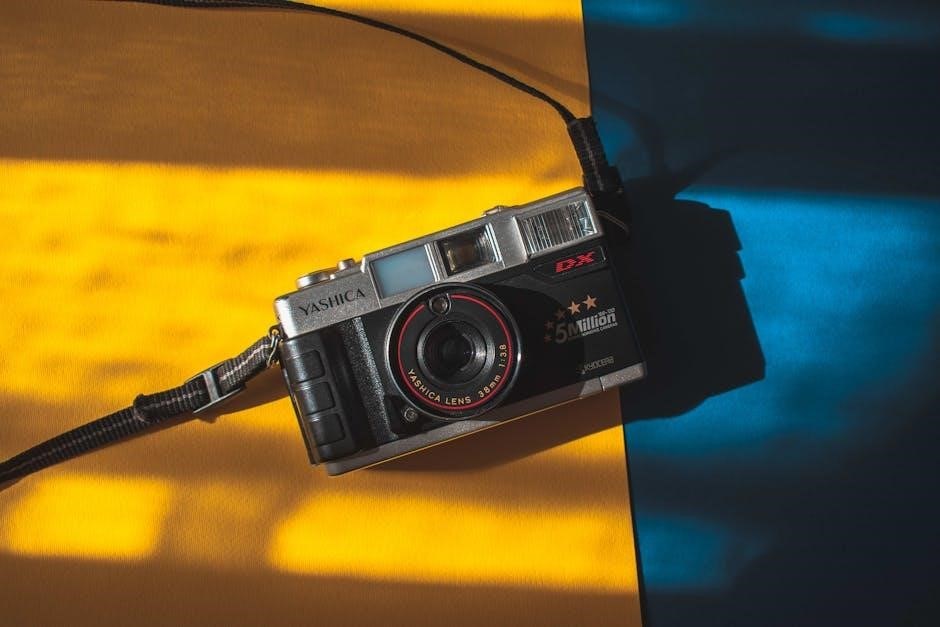
Advanced Techniques for Yashica Mat 124
Zone focusing and utilizing filters unlock creative potential with the Yashica Mat 124‚ enhancing image control and artistic expression for photographers.
Zone Focusing Methods
Zone focusing with the Yashica Mat 124 involves pre-setting the lens to a specific distance‚ anticipating subject movement within that zone. This technique bypasses precise focusing for each shot‚ ideal for street photography or capturing candid moments. Estimate the closest distance you intend to photograph‚ set the aperture for desired depth of field‚ and compose your shot.
By understanding depth of field and pre-visualizing the focused zone‚ you can achieve sharp results quickly‚ even without constantly adjusting the focus knob. Practice makes perfect‚ allowing for intuitive zone focusing and capturing fleeting moments effectively.
Using Filters for Creative Effects
Filters enhance Yashica Mat 124 images‚ offering diverse creative possibilities. A yellow filter boosts contrast in landscapes‚ while a red filter dramatically alters tones for artistic effects. Polarizing filters reduce glare and deepen skies‚ improving color saturation. Experiment with neutral density (ND) filters to enable wider apertures in bright light‚ achieving shallow depth of field.
The Yashica Mat 124 accepts 52mm filters‚ easily screwed onto the lens. Explore different filter types to unlock unique visual styles and elevate your photography beyond standard results.
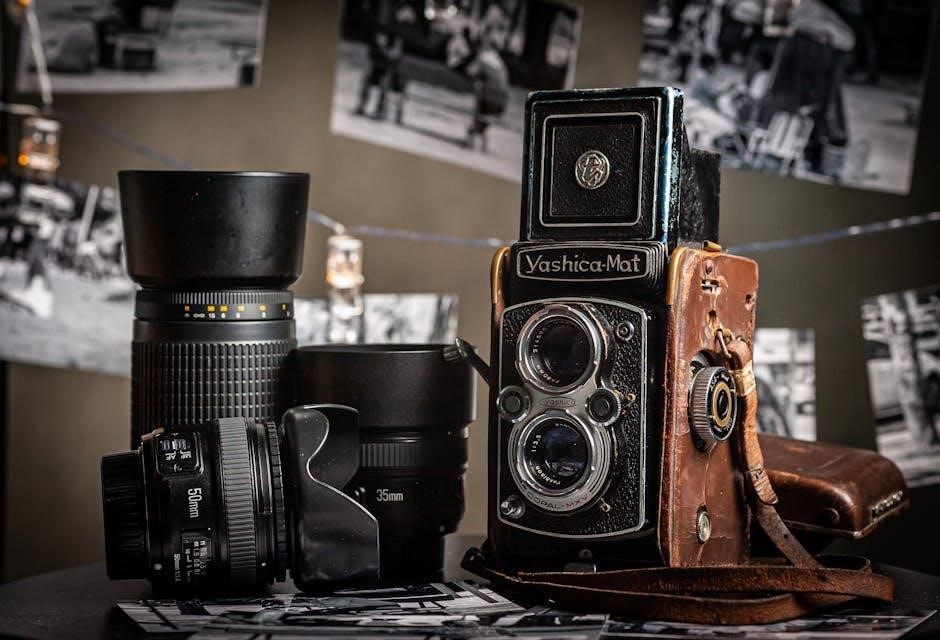
Yashica Mat 124 vs. Yashica Mat 124G
The 124G offers improvements over the 124‚ including a brighter viewfinder and more reliable light meter‚ but the 124 remains a capable‚ affordable option.
Key Differences and Upgrades
The Yashica Mat 124G boasts several enhancements over the original 124. Notably‚ the 124G features a significantly brighter viewing screen‚ improving focusing accuracy and overall usability. Its light meter is also considered more dependable and accurate‚ aiding in proper exposure. Cosmetically‚ the 124G often presents in better condition‚ particularly in the Japanese market‚ though at a higher price point.
While the 124 is a fantastic camera‚ the 124G’s refinements make it a preferred choice for many enthusiasts‚ justifying the price difference for those seeking optimal performance.
Choosing the Right Model for Your Needs
If budget is a primary concern‚ the Yashica Mat 124 presents an excellent entry point into medium format photography. It delivers comparable image quality to the 124G at a lower cost. However‚ if a brighter viewing screen and a more reliable light meter are crucial for your shooting style‚ the 124G is worth the investment.
Consider your experience level and desired features when making your decision; both models offer a rewarding analog experience.
Pricing and Availability (Current Market)
Yashica Mat 124/124G prices range from $2000-3000‚ similar between eBay‚ domestic markets‚ and Japan‚ with excellent condition models available.
eBay and Domestic Market Prices
Currently‚ the Yashica Mat 124 and 124G exhibit comparable pricing across both eBay and domestic camera markets. Expect to encounter prices generally fluctuating within the $2000 to $3000 range‚ contingent upon the camera’s overall condition and included accessories. Well-maintained examples‚ particularly those with original packaging‚ often command higher premiums. Thoroughly examine listings‚ scrutinizing photographs and seller descriptions to assess the camera’s cosmetic and functional state before committing to a purchase. Consider potential repair costs if purchasing a unit needing restoration.
Japanese Market Options
The Japanese market frequently presents exceptionally well-preserved Yashica Mat 124 cameras‚ often boasting superior cosmetic condition compared to those found elsewhere. However‚ this pristine quality typically comes at a price premium. Importing from Japan requires careful consideration of import duties‚ shipping costs‚ and potential repair challenges due to geographical distance. Thoroughly research reputable Japanese camera dealers and carefully evaluate the seller’s feedback before making a purchase to ensure authenticity and quality.