
Dynatek 2000i Ignition Instructions: A Comprehensive Guide
This guide details the Dynatek 2000i electronic ignition, covering installation, programming, troubleshooting, and resources for Harley-Davidson and Indian Scout models․
Specifically, it addresses the “deadrev” feature and provides wiring diagrams for a smooth, reliable ignition experience․
The Dynatek 2000i is a single-plug/single-fire electronic ignition system designed to significantly enhance the performance and reliability of classic motorcycles, particularly Harley-Davidson and Indian Scout models․ Replacing outdated points-based ignition systems, the 2000i delivers a more consistent and powerful spark, resulting in improved starting, smoother operation, and increased engine efficiency․
This ignition module is available as a complete kit (D2KI-5P) or as a module-only replacement (D2KI-1P), catering to various needs and budgets․ A key feature of the 2000i is its programmable nature, allowing users to fine-tune the ignition timing to match their specific engine modifications and riding style․ However, this programmability also introduces the “deadrev” feature, which can present challenges during kickstarting, requiring multiple revolutions before spark is produced – a common concern for owners of kick-start-only bikes․
Understanding the 2000i’s capabilities and potential quirks is crucial for successful installation and operation․
Understanding Single-Plug/Single Fire Ignition
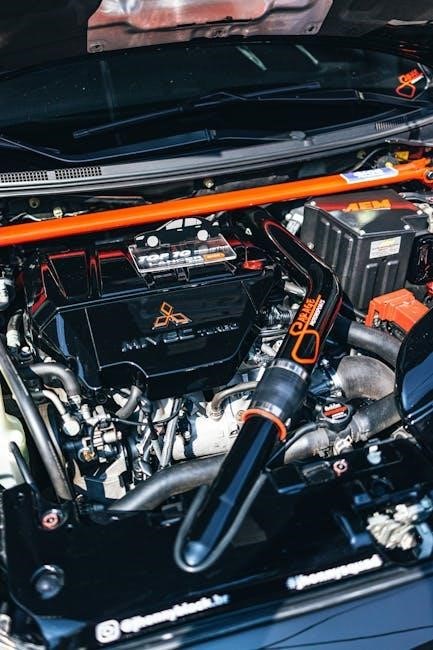
Traditional Harley-Davidson and Indian Scout engines often utilized a dual-plug/dual-fire ignition system, where both spark plugs in each cylinder fire simultaneously with each combustion cycle․ The Dynatek 2000i, however, employs a single-plug/single-fire configuration, meaning only one spark plug fires per cylinder, per cycle․
This difference impacts ignition timing and engine behavior․ With single-fire, the ignition module controls the firing of a single plug, allowing for more precise timing control and potentially increased power․ However, it also means the engine relies on a single spark for combustion in each cylinder, making spark consistency paramount․
The 2000i’s single-fire design necessitates careful wiring and programming to ensure optimal performance․ Understanding this fundamental difference is key to troubleshooting and maximizing the benefits of the upgraded ignition system, especially when addressing issues like the “deadrev” feature․
Dynatek 2000i Kit Contents & Specifications
The Dynatek 2000i Single-Plug/Single Fire Electronic Ignition Kit (D2KI-5P) is a comprehensive upgrade for select Harley-Davidson motorcycles․ Dennis Kirk offers this kit with Vendor Part Number 21010031 and UPC Code 840094310360․
The kit typically includes the ignition module itself, along with necessary wiring and potentially a mounting bracket․ For those needing a replacement module, the Dynatek 2000I Electronic Ignition Module Only (D2KI-1P, Vendor Part Number 21010027, UPC 840094310322) is available․
Detailed specifications are found in the provided instruction manuals (257․8 KiB for the kit, 1․4 MiB for the module only)․ These manuals outline the electrical characteristics and operational parameters of the 2000i, crucial for proper installation and configuration․
Compatibility: Harley-Davidson & Indian Scout Models
The Dynatek 2000i ignition system demonstrates broad compatibility, primarily designed for Harley-Davidson motorcycles, offering a performance enhancement for various models․ Specifically, the kit (D2KI-5P) is engineered for “select” Harley-Davidson applications, requiring verification against fitment charts provided by Dennis Kirk and Dynatek․
Notably, the 2000i also supports the 2001 Indian Scout․ However, installation on the Indian Scout (as highlighted in wiring diagrams) may necessitate careful attention to wiring colors, potentially differing from the original harness․
Always consult the official Dynatek instruction manual for accurate wire function identification – power, ground, pickup coil, and tach output – to ensure a correct and safe installation․ Proper fitment is crucial for optimal performance and reliability․

Installation Process
Proper installation involves a detailed wiring diagram, identifying wire functions, securely connecting the module, and ensuring its physical stability for optimal performance․
Wiring Diagram Overview
Understanding the wiring diagram is crucial for a successful Dynatek 2000i installation․ The diagram illustrates how to connect the ignition module to your motorcycle’s existing electrical system․ Key connections include power, ground, the pickup coil (responsible for sensing engine position), and the tachometer output for RPM readings․
Pay close attention to wire colors, as they can vary, especially on models like the 2001 Indian Scout․ Always consult the official Dynatek manual to confirm correct wire functions before making any connections․ Incorrect wiring can lead to ignition failure or damage to the module․ A multimeter is highly recommended for verifying continuity and proper voltage levels during the wiring process․
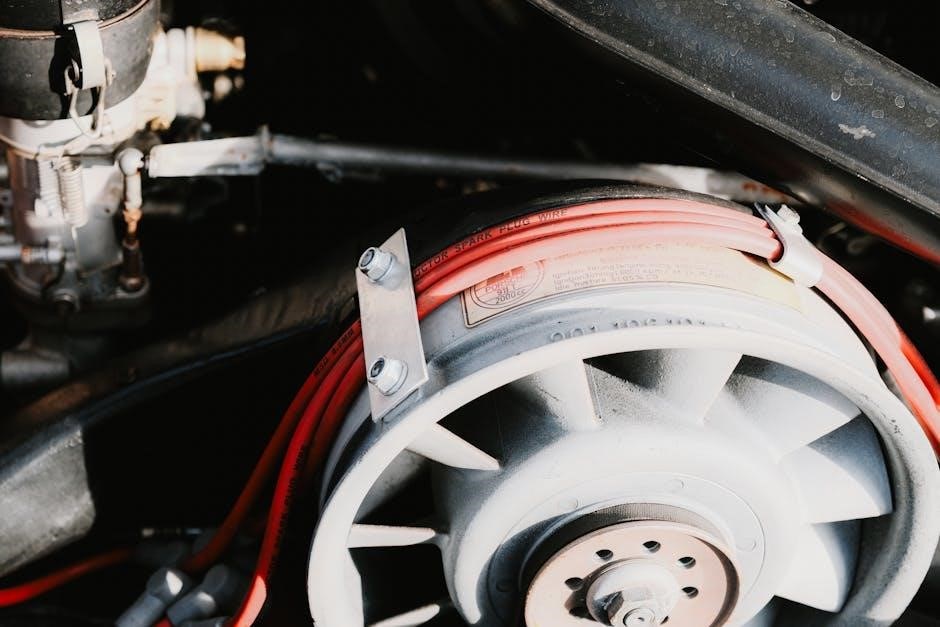
Carefully trace each wire from the ignition module to its corresponding connection point on the motorcycle․ Double-check all connections to ensure they are secure and properly insulated․
Identifying Wire Functions (Power, Ground, Pickup Coil, Tach Output)
Accurate identification of each wire’s function is paramount before connecting the Dynatek 2000i․ The power wire provides the necessary voltage to operate the ignition module – typically 12V DC․ The ground wire completes the circuit, ensuring a stable electrical connection to the chassis․
The pickup coil wire receives signals from the motorcycle’s pickup coil, determining crankshaft position for precise timing․ The tachometer output wire sends a signal to the tachometer, allowing for accurate RPM monitoring․
Wire colors can differ, particularly on the 2001 Indian Scout, so relying solely on color is insufficient․ Always refer to the Dynatek manual for definitive wire function identification․ Utilizing a multimeter to test for voltage and continuity is strongly advised to confirm each wire’s purpose before making connections․
Connecting the Ignition Module
Once wire functions are confirmed, carefully connect them to the Dynatek 2000i module․ Ensure all connections are secure and properly insulated to prevent shorts or intermittent issues․ Begin by connecting the power and ground wires, followed by the pickup coil wire, and finally, the tachometer output wire․
Double-check each connection against the wiring diagram in the Dynatek manual to avoid miswiring, which could damage the module or the motorcycle’s electrical system․ Use appropriate connectors and crimping tools for a reliable connection․
Avoid excessive strain on the wires during the connection process․ A clean and organized wiring layout will aid in future troubleshooting and maintenance․
Securing the Ignition Module
After connecting all wires, securely mount the Dynatek 2000i module to a suitable location on the motorcycle․ Choose a spot that shields it from excessive heat, moisture, and vibration․ Avoid mounting it directly on the engine or exhaust system․
Utilize the provided mounting brackets and hardware, ensuring they are tightened appropriately․ Avoid over-tightening, which could damage the module’s housing․ Consider using rubber grommets or padding to further dampen vibrations․
Route the wires neatly and securely, using zip ties or wire loom to prevent chafing or interference with moving parts․ A well-secured module minimizes the risk of connection failures and ensures long-term reliability․
Programming & Configuration
Proper programming of the Dynatek 2000i is crucial for optimal performance, specifically addressing the “deadrev” feature and adjusting timing advance settings․
Addressing the “Deadrev” Feature
The Dynatek 2000i’s “deadrev” feature, a common concern for users, particularly those with kick-start only motorcycles, requires specific attention during configuration․ This feature manifests as a delay – reportedly three revolutions – before the ignition produces a spark; While designed for certain applications, it can be frustrating for riders expecting immediate response․
Understanding that the deadrev setting impacts starting, especially with kickstart models, is key․ The goal is to minimize the delay without compromising overall ignition performance․ Careful adjustment, guided by the Dynatek instruction manual, is essential․ Experimentation may be needed to find the optimal setting for your specific motorcycle and riding style․
Remember to consult the manual for detailed instructions on modifying this parameter․ Incorrect settings can lead to difficult starting or reduced engine efficiency․
Adjusting Timing Advance
Precise timing advance adjustment is crucial for maximizing performance and ensuring engine longevity with the Dynatek 2000i ignition․ The system allows for customization of the ignition timing curve, enabling optimization for various engine builds and fuel types․
Refer to the Dynatek instruction manual for detailed procedures and recommended settings․ The manual outlines how to modify the timing advance map, typically through a programming interface or by adjusting internal dip switches (depending on the specific module version)․
Start with the manufacturer’s baseline settings and make incremental adjustments, carefully monitoring engine behavior․ Pay attention to factors like detonation, backfiring, and overall power delivery․ A timing light is essential for verifying the accuracy of your adjustments․
Understanding and Utilizing the Deadrev Feature
The Dynatek 2000i’s “Deadrev” feature, while sometimes frustrating, is a deliberate design element intended to prevent accidental spark during engine cranking․ It introduces a delay before the ignition system produces a spark, typically requiring multiple revolutions of the engine before firing․
This feature is particularly noticeable on kick-start motorcycles, as reported by users of the 2000i on 1979 Shovelheads․ Understanding its purpose is key to mitigating its effects․ The delay is designed to avoid spark occurring at an unfavorable point in the combustion cycle during initial cranking․
While the delay can be adjusted or potentially disabled (consult the manual!), it’s often best left enabled for optimal starting and engine protection․ Familiarize yourself with the required number of crank revolutions to initiate spark for a smoother starting experience․
Troubleshooting
Diagnosing issues involves checking for spark, verifying timing, and utilizing a multimeter to test wire functions – power, ground, pickup, and tach output․
No Spark Diagnosis
When encountering a no-spark condition with the Dynatek 2000i, systematic troubleshooting is crucial․ First, confirm the battery is fully charged and connections are secure․ Verify the ignition module receives power and ground; a multimeter is essential for this step․
Next, inspect the pickup coil wiring and signal․ A faulty pickup coil prevents the module from triggering spark․ Carefully examine the spark plug itself – is it fouled or damaged? Ensure proper gap settings․
The “deadrev” feature, requiring three revolutions for spark, can mimic a no-spark situation if misunderstood․ Confirm the engine is being cranked sufficiently to overcome this․ If issues persist, consult the Dynatek manual for specific diagnostic flowcharts and testing procedures․ Remember to always disconnect the negative battery cable before working on the electrical system․
Incorrect Timing Symptoms
Improper timing with the Dynatek 2000i manifests in several ways․ Retarded timing often results in sluggish acceleration, excessive exhaust heat, and potential engine knocking, especially under load․ Conversely, advanced timing can cause hard starting, pinging or detonation, and even engine damage․
Backfiring through the carburetor or exhaust is a common symptom of significantly incorrect timing․ Difficulty maintaining a stable idle and reduced overall engine performance are also indicators․
Utilize a timing light to verify the ignition timing against the manufacturer’s specifications․ Remember that the Dynatek 2000i allows for adjustable timing advance; ensure this is configured correctly for your engine and riding style․ Always double-check wiring connections before adjusting timing․
Utilizing a Multimeter for Testing
A multimeter is crucial for diagnosing Dynatek 2000i issues․ Begin by verifying power and ground to the ignition module, ensuring a stable 12V and a solid ground connection․ Check the pickup coil’s resistance; deviations from the specified range indicate a faulty coil․
Test the tachometer output signal to confirm it’s functioning correctly․ When troubleshooting a no-spark condition, use the multimeter to check for a signal from the ignition module to the spark plug wire․
Consult the Dynatek manual for specific voltage and resistance values․ Remember to disconnect the ignition module before performing resistance tests․ Proper multimeter usage ensures accurate readings and effective troubleshooting․

Resources & Manuals
Access comprehensive documentation, including the 257․8 KiB instruction manual and the 1․4 MiB module-only manual, for optimal Dynatek 2000i performance․
Accessing the Dynatek 2000i Instruction Manual (257․8 KiB)
The Dynatek 2000i instruction manual, weighing in at 257․8 KiB, is an invaluable resource for anyone installing or troubleshooting this electronic ignition system․ This document provides a detailed, step-by-step guide to the entire process, from initial wiring and module setup to advanced programming features like the “deadrev” adjustment․
It’s crucial to consult this manual before beginning any work, as wiring colors can vary, especially when installing on models like the 2001 Indian Scout․ The manual clearly identifies wire functions – power, ground, pickup coil, and tachometer output – ensuring correct connections․
Downloading and reviewing this manual will significantly reduce installation time and minimize the risk of errors․ It’s readily available online and offers a complete understanding of the Dynatek 2000i’s capabilities․
Accessing the Dynatek 2000i Module Only Instruction Manual (1․4 MiB)
For those who already possess the core components and require specific guidance on the Dynatek 2000i module itself, the dedicated instruction manual (1․4 MiB) is essential․ This document focuses exclusively on the module’s functionality, programming nuances, and detailed troubleshooting procedures․
Unlike the comprehensive kit manual, this resource dives deeper into advanced settings and diagnostic techniques․ It’s particularly useful for experienced users or those upgrading an existing ignition system․ Understanding the module’s intricacies allows for precise timing adjustments and optimal performance gains․
Accessing this 1․4 MiB manual ensures you have the specialized knowledge needed to maximize the potential of your Dynatek 2000i module․ It’s a vital tool for achieving a perfectly tuned and reliable ignition system․
Dennis Kirk Part Numbers (D2KI-5P & D2KI-1P)
When sourcing your Dynatek 2000i ignition components, Dennis Kirk offers convenient part numbers for streamlined ordering․ The complete Dynatek 2000I Single-Plug/Single Fire Electronic Ignition Kit is listed under part number D2KI-5P, encompassing all necessary hardware for a full installation on select Harley-Davidson motorcycles․
For those needing a replacement module or upgrading an existing system, the Dynatek 2000I Electronic Ignition Module Only is available as D2KI-1P․ This allows for targeted repairs or performance enhancements without purchasing an entire kit․
Utilizing these Dennis Kirk part numbers (D2KI-5P & D2KI-1P) ensures you receive the correct Dynatek 2000i components for your specific needs․ Verify fitment with your motorcycle model before ordering․