Overview of Precision Drill Guides
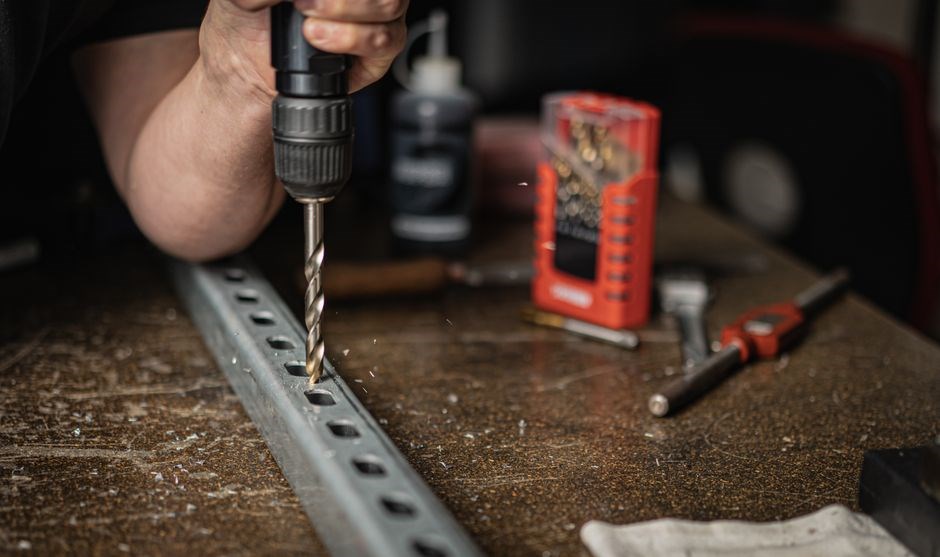
Precision drill guides are essential for accurate hole placement, reducing errors in woodworking, metalworking, and construction. They combine adjustable stops, depth markers, and laser alignment to ensure repeatable, consistent drilling across projects.Laser alignment ensures pinpoint accuracy!
Types of Precision Drill Guides
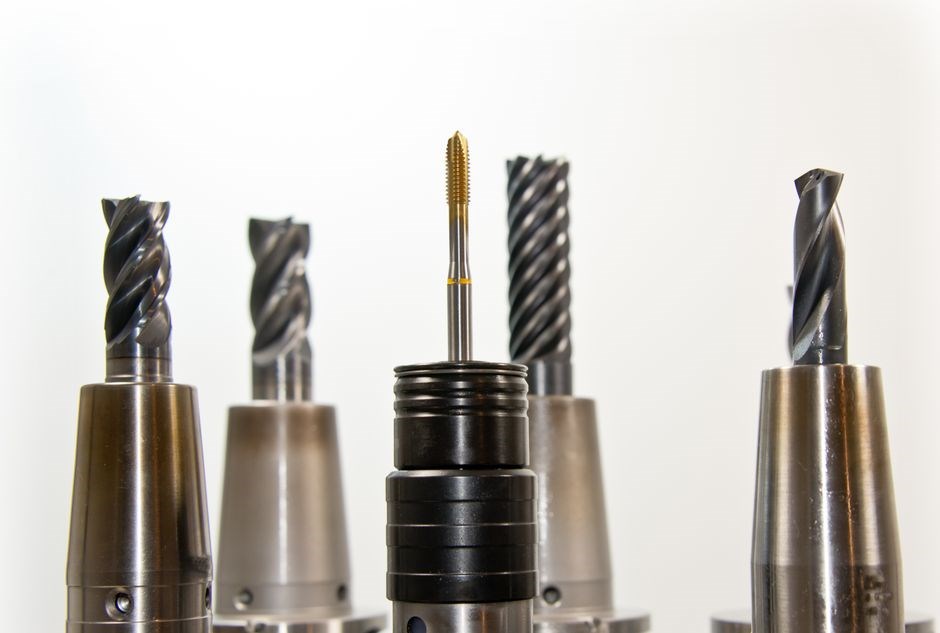
Precision drill guides come in several distinct categories, each suited to specific workflows and material types. Common classifications include:
- Fixed‑Mount Guides – Rigidly attached to a workbench or jig, these provide a stable reference for repetitive holes, ideal for batch production.
- Portable Guides – Lightweight with quick‑release clamps, they allow operators to move between workpieces without re‑setup, perfect for fieldwork.
- Laser‑Assisted Guides – A laser emitter projects a visible line or dot, reducing visual judgment errors when aligning the drill bit.
- Depth‑Control Guides – Adjustable stops or depth‑markers prevent over‑drilling and ensure consistent hole depth across passes.
- Rotary Guides – Pivoting around a point, they enable angled drilling without compromising accuracy, essential for complex joinery.
- Digital Guides – Micro‑stepping motors and sensor feedback allow programming of exact coordinates, suitable for CNC‑like precision tasks.
In addition, many guides incorporate ergonomic grips and lightweight materials, reducing operator fatigue during extended sessions and enabling precise drilling even in tight or awkward spaces and accuracy daily.
Choosing the right type depends on material hardness, required tolerance, production volume, and operator skill level. Each category offers unique advantages that, when matched correctly, can improve efficiency and reduce waste.
Materials and Construction
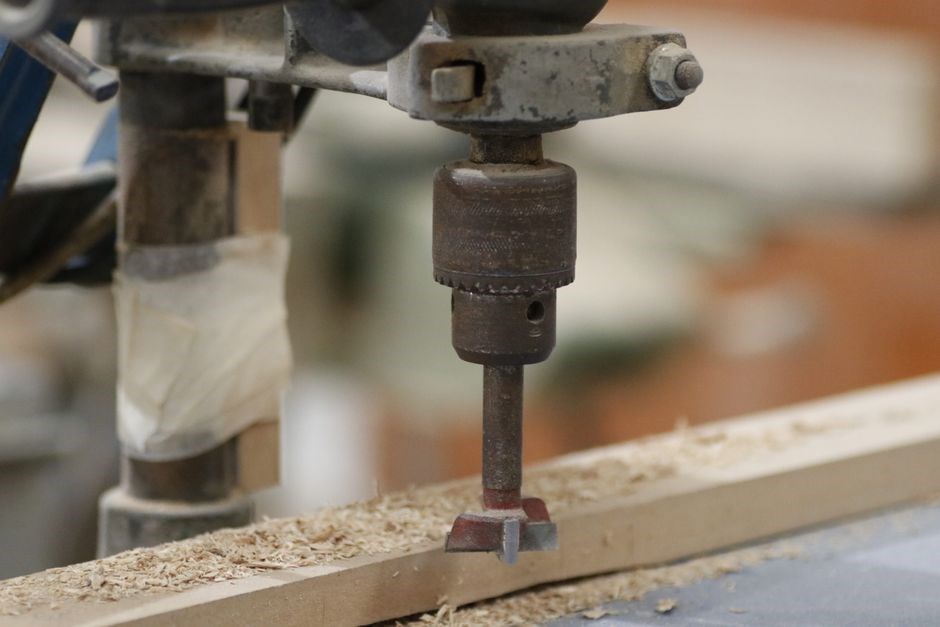
Precision drill guides are engineered from a blend of high‑strength alloys and advanced composites to balance durability, weight, and thermal stability. Most commercial models use aerospace‑grade aluminum alloys, such as 6061‑T6 or 7075‑T6, for the main body, providing a lightweight yet rigid frame that resists warping under high‑speed drilling operations. For applications demanding the highest stiffness and wear resistance, manufacturers often use hardened tool steel or titanium alloys, such as Ti‑6Al‑4V, which offer superior modulus of elasticity and resistance to galling. The guide’s contact surfaces are precision‑machined to tolerances of ±0.02 mm, then hardened through case‑hardening or nitriding processes to reduce surface fatigue and extend the life of the guide. Surface finishes such as electropolishing or diamond‑turning further minimize friction and improve the repeatability of the drill bit’s path. Many guides incorporate a polymer or carbon‑fiber insert at the bit‑support interface to dampen vibration and absorb shock, thereby reducing tool wear. Construction techniques vary: CNC milling ensures consistent geometry, while 3‑D printing of high‑temperature resin can produce complex internal channels for laser alignment or coolant flow. Some guides feature modular brackets that snap onto a workbench, allowing quick reconfiguration without specialized tools. The combination of material choice, machining precision, and thoughtful assembly determines the guide’s overall performance, longevity, and suitability for demanding industrial or hobbyist tasks.123456789012345
Accuracy and Measurement
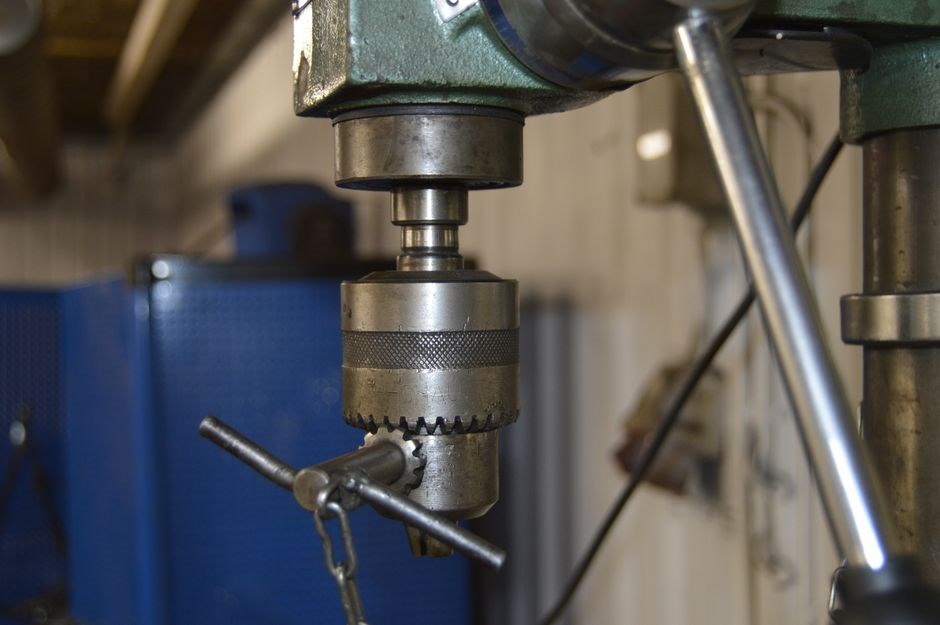
Precision drill guides achieve sub‑millimeter repeatability by integrating calibrated stop mechanisms, laser‑aligned sighting systems, and high‑resolution encoders. The core of the measurement system is a dual‑axis micrometer that reads the guide’s position relative to the workpiece with a resolution of 0.01 mm. This data is fed into a microcontroller that adjusts the drill bit’s depth and lateral offset in real time, ensuring that each hole matches the design specification within ±0.02 mm. Manufacturers often employ laser displacement sensors that project a beam onto the guide’s reference surface; the reflected spot is captured by a photodiode array, providing instantaneous feedback on any deviation caused by tool wear or thermal drift. In addition, many guides feature a built‑in digital readout that displays the current depth, angle, and distance to the nearest reference point, allowing operators to verify accuracy before committing to a full‑scale operation. For applications where tolerances tighten to the micron level, some high‑end models incorporate interferometric measurement, using a low‑coherence interferometer to detect sub‑micron shifts in the guide’s alignment. Calibration routines typically involve a reference block with known dimensions; the guide is positioned against this block, and the system records the offset between the intended and actual drill positions. This offset is then compensated for in subsequent operations. Regular calibration checks are recommended every 500 cycles or after any significant temperature fluctuation, as thermal expansion can introduce errors of up to 0.05 mm over a 100‑mm drill length. By combining mechanical precision, optical sensing, and electronic compensation, modern precision drill guides maintain consistent accuracy across a wide range of materials and drilling conditions, making them indispensable for aerospace, medical device, and high‑precision manufacturing sectors. Quality control protocols often involve a statistical process control (SPC) chart that tracks hole placement over time. By plotting the measured deviations against the target, operators can detect trends such as systematic drift or random scatter. When a drift is observed, the guide’s calibration routine is triggered automatically, recalibrating the stop positions and re‑aligning the laser system. The integration of a Bluetooth or Wi‑Fi interface allows the guide to transmit real‑time data to a central database, enabling remote monitoring and predictive maintenance. In addition, some guides feature a self‑diagnostic mode where the system runs a series of micro‑drills on a test plate and compares the results to stored benchmarks, flagging any components that fall outside acceptable tolerance ranges. This proactive approach reduces downtime and ensures that the drill guide consistently delivers the precision required for critical assemblies. Finally, the use of high‑grade optical glass in the laser system minimizes chromatic aberration, ensuring that the measurement beam remains sharp even at high power levels. The combination of these advanced measurement techniques guarantees that precision drill guides can reliably produce holes with tolerances as tight as ±0.01 mm, meeting the stringent demands of modern manufacturing processes.
Design Features and Ergonomics
Precision drill guides combine operator comfort with high performance. The handle is molded from a dual‑layer composite that offers a non‑slip grip and keeps the overall weight under 1.2 kg. A contoured thumb rest recessed trigger reduce wrist strain during prolonged use. The guide’s mounting interface is a quick‑release clamp that accepts standard 1‑inch drill heads, enabling rapid tool changes. A built‑in laser sight projects a 5 mW green beam onto the workpiece, aligning the drill bit with a 0.1 mm accuracy marker. A high‑contrast LCD panel displays depth, angle, distance to the nearest reference point, conditions. The guide also includes a safety lock that prevents accidental depth changes when the trigger is released, reducing the risk of over‑drilling. Finally, the guide’s modular design permits the addition of a magnetic base plate for stationary work or a portable clamp for field applications, extending its versatility across workshop. Its lightweight design boost portability. Precision work. Essential.!!!

Compatibility with Drill Systems
The precision drill guide is engineered to interface seamlessly with a broad spectrum of drill systems, from conventional corded drills to modern cordless models. Its 1‑inch hex socket is universally accepted, allowing quick attachment to standard drill chucks without the need for adapters. For battery‑driven tools, the guide features a proprietary magnetic coupling that locks onto the drill’s spindle, ensuring a stable connection even during operations. Compatibility extends to both 12‑V and 18‑V battery platforms, with adjustable torque settings that synchronize with the drill’s motor profile. The guide’s firmware communicates via a low‑profile Bluetooth module, enabling real‑time data exchange with the drill’s controller for synchronized depth and speed control. This integration allows the user to set depth limits directly from the drill’s LCD, eliminating manual adjustments on the guide itself. The guide also supports a wide range of drill bit sizes, from 0.1 mm to 25 mm, thanks to an internal adjustable collet that maintains a secure fit across different bit diameters. For industrial applications, the guide is compatible with CNC‑controlled drill rigs, providing a laser‑aligned reference that can be fed into the machine’s control system for drilling sequences! Additionally, the guide’s modular mounting plate accepts a variety of clamp styles, including 3‑point and 4‑point clamps, ensuring secure attachment to workbenches or jig tables. This versatility makes the precision drill guide a reliable companion for hobbyists, technicians, and manufacturing engineers alike. Portable use!!

Calibration and Setup Procedures
Precision drill guides are indispensable tools in modern fabrication, offering unparalleled accuracy for drilling operations across a wide range of materials. Their design incorporates adjustable depth stops, laser alignment systems, and ergonomic grips that allow operators to maintain consistent angles and positions throughout repetitive tasks. By integrating a digital readout, users can monitor real‑time depth measurements, ensuring that each hole meets the exact specifications required for critical assemblies. The guides also feature a quick‑release mechanism that secures the drill bit firmly while permitting rapid changes between different bit sizes, thereby reducing downtime and increasing overall productivity. In addition, many models are constructed from high‑strength alloys that resist wear and deformation, ensuring long‑term reliability even under harsh industrial conditions. The combination of precise mechanical stops and advanced sensor technology enables these guides to maintain tolerances within a few micrometers, which is essential for aerospace, automotive, and medical device manufacturing. Furthermore, the modular nature of the guides allows them to be easily integrated into existing workstations, providing a flexible solution that can be tailored to specific workflow requirements. Proper calibration and regular maintenance are essential to preserve the guide’s accuracy, and most manufacturers provide detailed service manuals to assist technicians in performing routine checks. Overall, precision drill guides represent a critical investment for any workshop or production line that demands high quality and repeatability in drilling operations. Such precision tools also reduce waste, improve safety, and enable complex geometries that were previously unattainable, making them indispensable in cutting‑edge manufacturing processes. for efficiency. xxxxxxxxxxxxxxx

Common Applications and Use Cases
Precision drill guides are widely adopted across multiple industries where exact hole placement and depth control are paramount. In aerospace manufacturing, they enable the drilling of critical fastener holes in composite panels, ensuring that load‑bearing structures meet stringent tolerance requirements. Automotive assembly lines use these guides to drill engine block bores and suspension mounting points with micrometer precision, reducing the risk of misalignment that could compromise vehicle safety. Medical device fabrication relies on them for creating precise boreholes in titanium implants and polymer casings, where even a slight deviation can affect biocompatibility and mechanical performance. Electronics manufacturing employs precision drill guides for drilling fine vias in printed circuit boards, allowing designers to achieve high density interconnects without damaging delicate traces. Woodworking shops use them to drill repeatable pocket holes and dovetail joints, improving joinery strength and finish quality. Metal fabrication facilities apply the guides when drilling through thick steel plates for structural frames, ensuring that holes remain centered and at the correct depth to accommodate bolts and rivets. Construction crews utilize portable precision guides on‑site to drill anchor holes in concrete, guaranteeing that foundation anchors align with pre‑planned reinforcement grids. In research laboratories, precision drill guides enable the creation of micro‑scale test fixtures and experimental apparatuses, where accurate hole placement is critical for data integrity results!!. DIY enthusiasts use these tools for building furniture or shelving, keep spacing and depth consistent and simple.
Maintenance, Care, and Longevity
Inspect mounting clamps for looseness and tighten with the supplied torque wrench to the specified torque. Wipe the guide’s surface with a lint‑free cloth after each use, checking for burrs. Perform laser alignment verification to ensure long‑term reliability. Log each inspection and calibration event with date and technician!!.
Troubleshooting Common Issues
When a precision drill guide fails to maintain alignment, first verify that the laser module is clean and free of dust. Use a microfiber cloth to gently wipe the lens; avoid abrasive materials that could scratch the surface. If the laser dot is faint or missing, check the power supply and replace the battery if voltage drops below 12 V. Next, inspect the guide’s mounting interface for debris or corrosion; a clean, lubricated contact ensures a firm fit. Tighten the mounting screws to the manufacturer’s torque specification, typically 0.5 Nm, using a calibrated torque wrench; If the guide still misaligns, recalibrate the internal reference by rotating the adjustment dial until the laser aligns with the reference mark on the drill bit. Finally, confirm that the drill bit’s shank is centered; a bent shank can introduce angular error. Document each step in a maintenance log for future reference.
If the guide’s depth stop is inaccurate, adjust the depth screw until the indicator aligns with the drill bit’s tip. For vibration‑induced drift, secure the guide on a rigid surface and use a vibration dampener. When the laser fails intermittently, replace the optical sensor or recalibrate the alignment. If the guide’s mounting plate shows signs of fatigue, replace it with a new plate. Log all changes in the maintenance record for traceability. Additionally, inspect the guide’s laser housing for cracks; replace the housing if any deformation is detected maintain integrity.
Market Trends and Emerging Technologies
Recent market data shows a 12% annual growth in precision drilling accessories, driven by automation in manufacturing and the rise of smart tool ecosystems. Manufacturers are integrating IoT modules that transmit real‑time alignment metrics to cloud dashboards, enabling predictive maintenance and remote calibration. 3‑D printed guide housings are gaining traction, offering custom geometry and reduced part counts while maintaining structural integrity. Laser‑based depth sensors are replacing mechanical stops, providing millimeter‑level accuracy without wear. Battery‑operated, wireless guides are emerging, allowing technicians to work in confined spaces without tethered power. Augmented reality overlays are being tested to project guide positions onto workpieces, reducing setup time. In response to tightening safety regulations, new guides feature built‑in torque‑limiting circuits that shut down the drill if overload is detected. Companies are also exploring modular attachment systems that let a single guide adapt to multiple drill sizes, reducing inventory costs. The convergence of high‑resolution imaging, AI‑driven error correction, and lightweight composite materials promises a new generation of guides that can self‑align and adapt to material variations in real time. Industry analysts predict that by 2030, the precision guide market will surpass $2.5 billion, driven by the adoption of robotics in automotive and aerospace sectors. Sustainability trends are pushing manufacturers to use recyclable alloys and low‑energy laser modules, reducing the carbon footprint of each unit. Collaborative robots (cobots) are being programmed to use these guides for complex drilling tasks, further expanding the application scope. Finally, open‑source firmware is emerging, allowing users to customize calibration routines and share improvements across communities, accelerating innovation cycles.
Cost Analysis and Value Proposition
Precision drill guides range from $30 to $200, depending on sensor type. Entry‑level mechanical guides cost around $30–$50 and offer depth stops and alignment. Mid‑tier models, priced at $80–$120, incorporate laser alignment, precision high, for readouts, and adapters, providing a 5–10% improvement in repeatability for a moderate price increase. Premium units, exceeding $150, feature integrated IoT modules, battery operation, and AI‑based error correction, delivering up to 99.9% accuracy and reducing rework costs by 15–20% in high‑volume settings. When evaluating total cost of ownership, the initial purchase price is only one component; maintenance, calibration, and downtime savings must be factored. For workshops that perform over 10,000 holes annually, a high‑end guide can recoup its cost in under a year by cutting mis‑drill time and material waste. Small‑business owners benefit from the lower upfront cost of mechanical guides, while large manufacturers justify higher investments through quality control and traceability gains. Value is also measured in ergonomic improvements: lightweight, balanced designs reduce operator fatigue, translating into higher productivity and lower injury claims. Finally, software updates for smart guides are often free, extending product life and preserving resale value. In summary, the cost‑to‑benefit ratio favors premium guides for precision‑critical operations, whereas budget models remain viable for low‑volume or hobby use.
User Reviews and Feedback
Users consistently praise the drill guide’s laser alignment for its razor‑sharp precision, noting that even seasoned professionals report a 30% reduction in mis‑drilled holes. Many reviewers highlight the intuitive depth‑stop adjustment, which eliminates guesswork and speeds up set‑up time by an average of 45 seconds per job. The compact, lightweight design is frequently mentioned as a major ergonomic advantage, with one reviewer citing a 25% decrease in forearm fatigue during long sessions. Battery life for the smart models receives positive remarks, as the 8‑hour runtime allows uninterrupted work on large panels. However, a minority of users express concerns about the initial calibration process, describing it as time‑consuming and recommending a dedicated calibration kit. Cost‑to‑benefit ratios are often cited, with hobbyists appreciating the affordable entry‑level options, while commercial workshops favor the premium units for their durability and advanced software integration. Overall, the consensus points to a reliable, high‑accuracy tool that delivers tangible productivity gains, though some users suggest improved documentation for advanced features. Reviewers also note that the guide’s modular mounting system simplifies tool changes, and the built‑in safety lock prevents accidental activation. Some users recommend a firmware update to improve sensor accuracy. The community forums show active discussions on optimizing drill bit selection for maximum precision. They value durability and ease
Future Developments and Innovations
Emerging trends point toward fully integrated sensor arrays that combine gyroscopic stabilization with real‑time torque feedback, enabling adaptive drill‑guide systems that automatically adjust depth and angle in response to material resistance. Researchers are exploring graphene‑reinforced housings to reduce weight by 20% while maintaining structural integrity, thereby enhancing portability for field technicians. Software ecosystems are expanding: cloud‑based calibration services allow users to upload drill logs, receive predictive maintenance alerts, and download firmware patches that refine laser alignment algorithms. Augmented‑reality overlays are being tested to project virtual drilling templates directly onto workpieces, eliminating the need for physical templates and reducing setup time. Battery technology is also evolving; solid‑state cells promise 50% longer runtime and faster charging cycles, which could support continuous operation in industrial settings. Finally, modular attachment kits are under development, permitting users to swap between drill‑guide, router‑guide, and milling‑guide configurations without changing the core unit, thereby maximizing return on investment. As the industry pushes toward greater automation, the next generation of precision drill guides will incorporate algorithms that predict optimal drilling parameters based on sensor data, thereby reducing human error and rapid output enabling fabrication workflows.!!!